Home / Health / NHS Plasma Milestone: Patients Regain Independence
NHS Plasma Milestone: Patients Regain Independence
15 Mar
Summary
- Plasma treatment stabilizes multiple sclerosis symptoms for London patient.
- UK-donated plasma medicines mark one year of use by the NHS.
- UK aims for self-sufficiency in plasma, encouraging more donations.
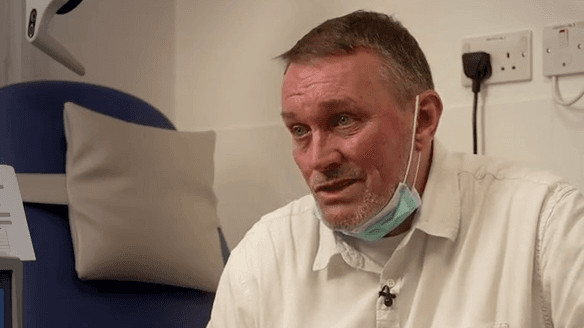
Niall Whatney, a London resident living with multiple sclerosis since 2011, has experienced a significant stabilization of his symptoms through treatments made from UK-donated blood plasma. Previously reliant on frequent injections, Whatney now receives monthly intravenous immunoglobulin (IVIG) infusions at King's College Hospital, a therapy he describes as life-saving and life-changing, restoring his independence.
This development coincides with the NHS celebrating one year of administering medicines derived from UK-donated plasma. The ban on using domestically sourced plasma was lifted in February 2021, ending a two-decade reliance on imports, primarily from the United States. Currently, the UK meets only 23% of its demand for these vital immunoglobulin medicines.
The UK government is aiming for self-sufficiency in blood plasma. To achieve this, the NHS is actively encouraging more donations at its three plasma donor centers located in Reading, Twickenham, and Birmingham. Approximately 17,000 patients in the UK depend on plasma-derived medicines for managing rare autoimmune disorders and diseases.
Plasma donation is crucial for producing these medicines. Unlike whole blood donation, plasma-only donation allows for larger quantities to be collected more frequently, approximately every two weeks, as vital components like red blood cells are returned to the donor. Donors typically range from 17 to 65 years old and must be in good health.