Home / Health / Elderly Face Care Cost Shock
Elderly Face Care Cost Shock
13 Sep
Summary
- Many face devastating care costs wiping out savings.
- A £23,350 asset threshold often means self-funding care.
- Reform plans stalled, leaving system unchanged.
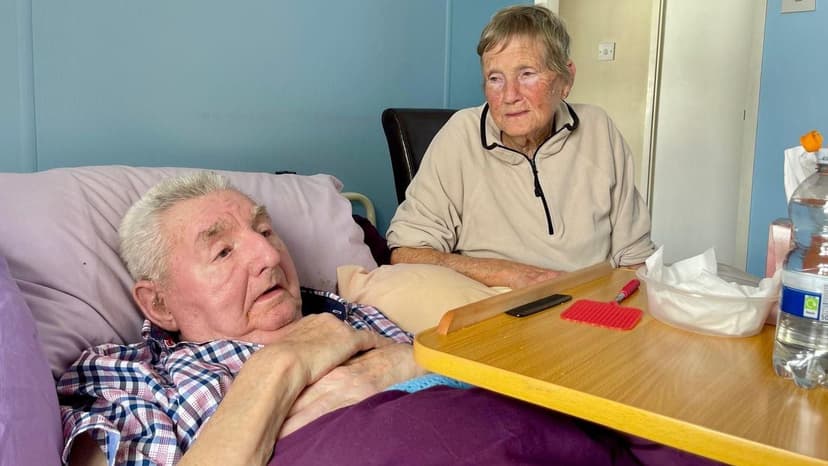
The financial strain of end-of-life care often comes as a shock to many, with individuals seeing their savings rapidly disappear due to conditions like stroke, dementia, or age. For instance, George and Jean Cooke from Derbyshire spent over £60,000 on continuing care for George. The current system is means-tested, with assets of £23,350 or more typically requiring individuals to cover their own care costs.
This asset threshold includes the value of a home if one moves into care, unless a partner remains. Previous reform attempts, including an £86,000 care cap announced in 2021, have been delayed and ultimately scrapped. A national care service plan is now under review, with potential alternative models to be discussed, but timelines for change remain uncertain.
Calls for reform persist, with suggestions ranging from more generous means testing to universal free care, estimated at £19 billion annually. Experts advocate for a collective approach, akin to national insurance, to share the risk of care needs. While NHS support schemes like Continuing Healthcare exist, eligibility is low, and private firms charge for assistance.
Attempts to protect assets by transferring them to loved ones are risky and can be deemed a deliberate deprivation of assets. Legal structures like trusts also carry risks. Other countries, such as Germany, have implemented mandatory long-term care insurance, highlighting the UK's outdated system, which has remained largely unchanged since the 1950s.


