Home / Health / UK Doctors Face Unemployment Crisis
UK Doctors Face Unemployment Crisis
23 Nov
Summary
- Thousands of UK doctors face job uncertainty after training.
- Specialist training places not keeping pace with graduate numbers.
- Many doctors consider leaving the UK or other careers.
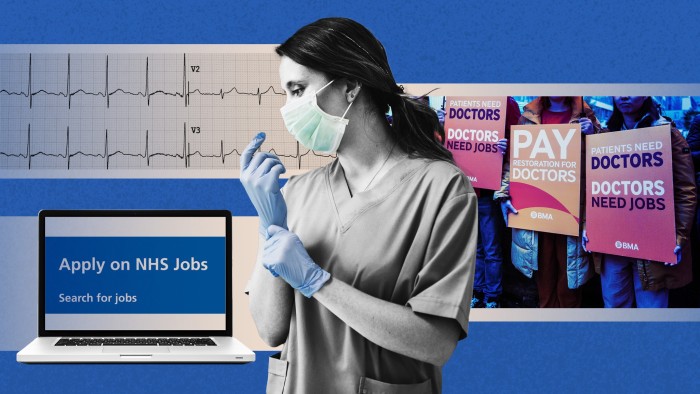
The UK's medical profession is grappling with a severe training bottleneck, leaving thousands of newly qualified doctors facing unemployment. Despite graduating and completing foundation years, many are unable to secure coveted specialist training positions, a critical step towards becoming a consultant. This year alone, over 33,000 doctors applied for just 12,800 specialist training posts, a stark illustration of the competition.
This crisis stems from a failure to expand training places at the same rate as medical school graduates and an increase in international applicants. While the government has pledged to create more posts and is considering changes to eligibility, critics argue these measures are insufficient. The current situation forces doctors into less secure or less desirable roles, or prompts them to seek opportunities abroad or in entirely different fields.
The consequences of this workforce planning failure are far-reaching, impacting patient care and potentially leading to a loss of talented professionals from the NHS. Discussions are ongoing between the government and union representatives to address the immediate shortage and the broader issue of pay, with hopes that future planning will better align training opportunities with the healthcare system's needs.