Home / Health / PEPFAR Success: Uganda Sees Dramatic Drop in Orphans
PEPFAR Success: Uganda Sees Dramatic Drop in Orphans
14 Jan
Summary
- Child orphanhood in Uganda decreased significantly due to HIV foreign aid programs.
- US-funded PEPFAR programs helped break the cycle of vulnerability for orphaned children.
- Potential future cuts to foreign aid may reverse these life-saving gains.
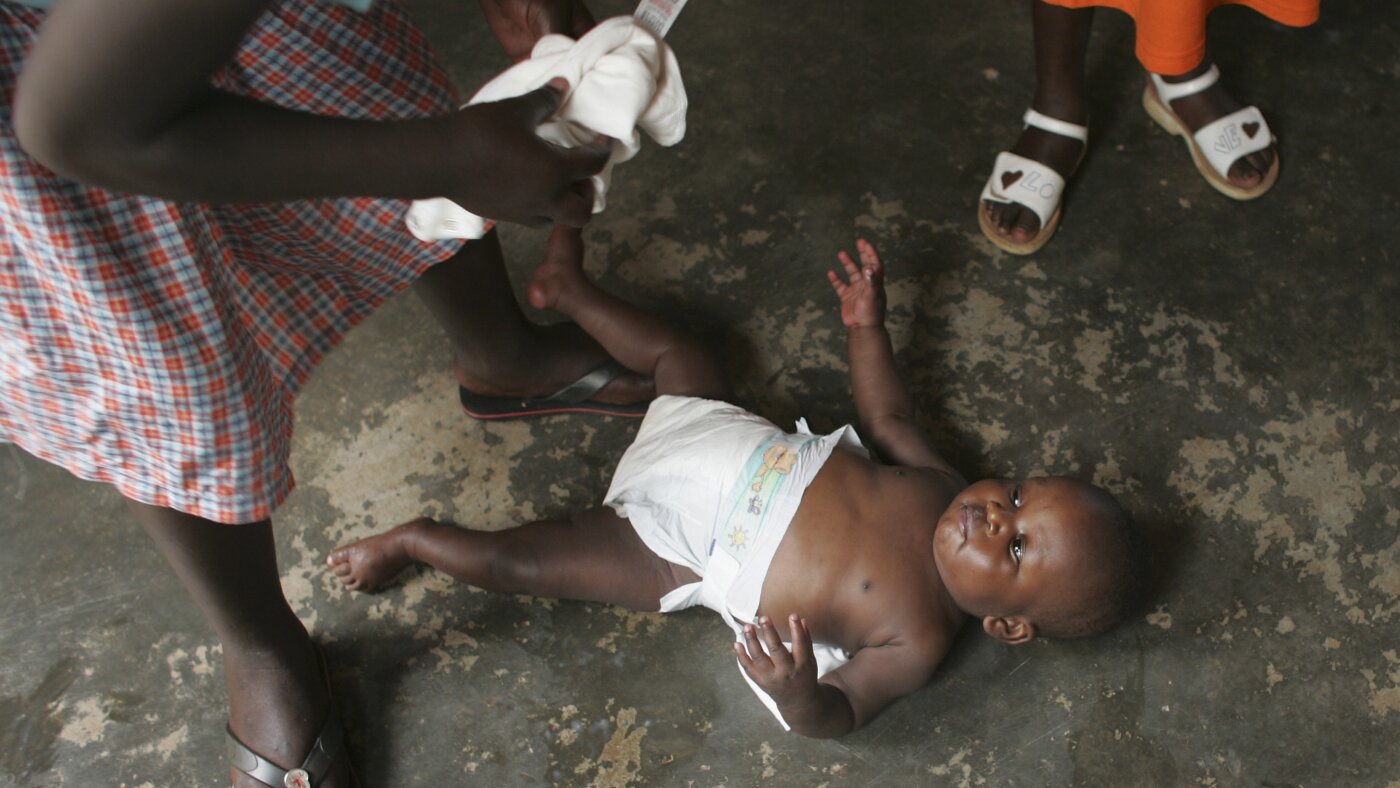
Over the past two decades, Uganda has witnessed a remarkable decrease in child orphanhood, with rates plummeting from almost one in four children in the early 2000s to just 6% in 2022. Research indicates that this significant decline is a direct result of robust HIV foreign aid programs, notably the President's Emergency Plan for AIDS Relief (PEPFAR).
These U.S.-funded initiatives have been instrumental in providing life-saving antiretroviral drugs, enabling parents with HIV to live longer and healthier lives. Consequently, children born to HIV-positive mothers are now only twice as likely to be orphaned, a stark contrast to the 20 times higher risk previously. This intervention has effectively broken cycles of vulnerability, poverty, and stigma.