Home / Health / Tumor vs. Cancer: Clearing the Medical Confusion
Tumor vs. Cancer: Clearing the Medical Confusion
8 Dec
Summary
- Not all tumors are cancerous; some are harmless growths.
- Cancer cells invade and spread, distinguishing them from benign tumors.
- Accurate terminology is vital for patient understanding and care.
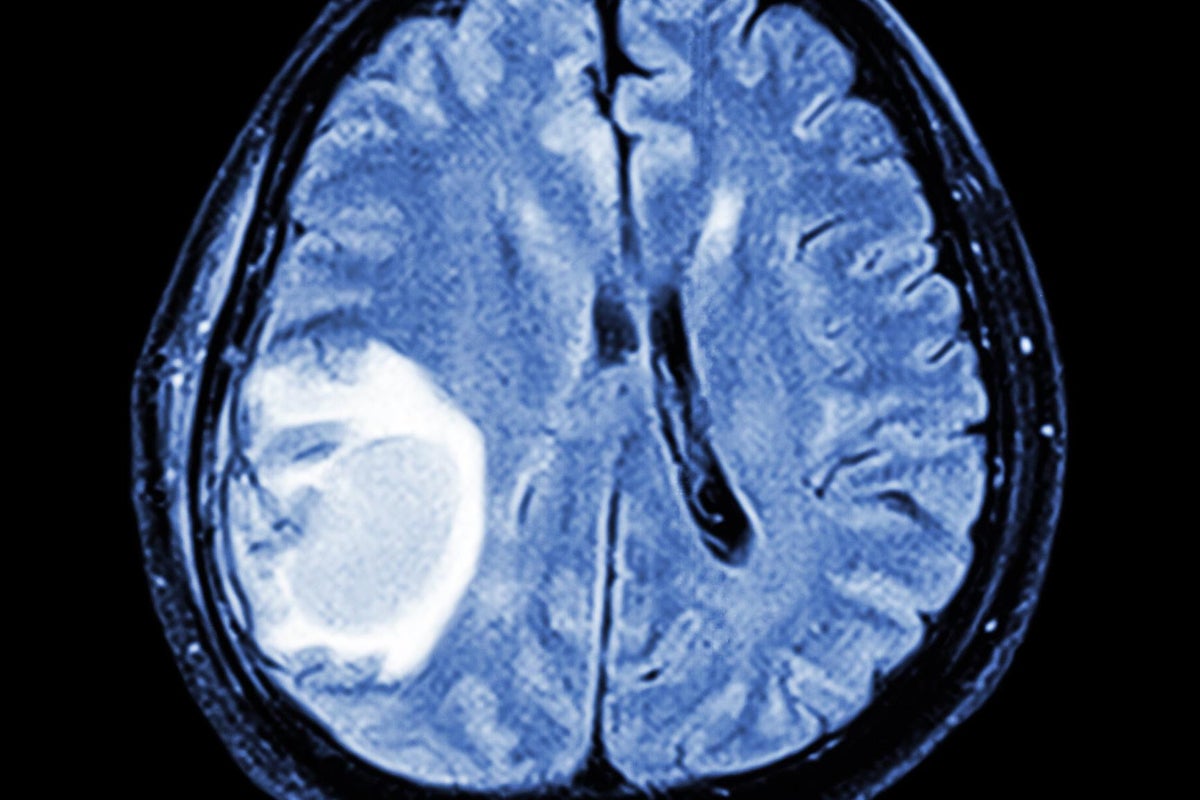
The distinction between a tumor and cancer is frequently misunderstood, leading to confusion among the public and even healthcare professionals. A tumor is any abnormal swelling, which can be benign (non-cancerous) or malignant (cancerous). Benign tumors, like lipomas, are often harmless, though some, such as uterine fibroids, can cause issues due to their location.
Cancer arises from genetic mutations that allow cells to grow unchecked and evade the body's defenses. Key characteristics of cancer include invasion of surrounding tissues and metastasis, or spreading to distant sites. While solid cancers often form masses, blood cancers like leukemia do not typically present as tumors.
Accurate communication is essential, as the terms 'tumor' and 'cancer' carry different implications for prognosis and treatment. Misusing these terms can lead to significant patient anxiety. Understanding whether a growth is benign or malignant, confirmed by pathology, dictates the urgency and complexity of management, which can range from simple removal to intensive therapies.