Home / Health / Amanita Muscaria: Deadly Fad Masquerading as Health Aid
Amanita Muscaria: Deadly Fad Masquerading as Health Aid
27 Jan
Summary
- Amanita muscaria, or fly agaric, is widely sold despite its toxicity.
- Unregulated products often contain undisclosed psychoactive ingredients.
- Misleading health claims fuel dangerous consumption of toxic mushrooms.
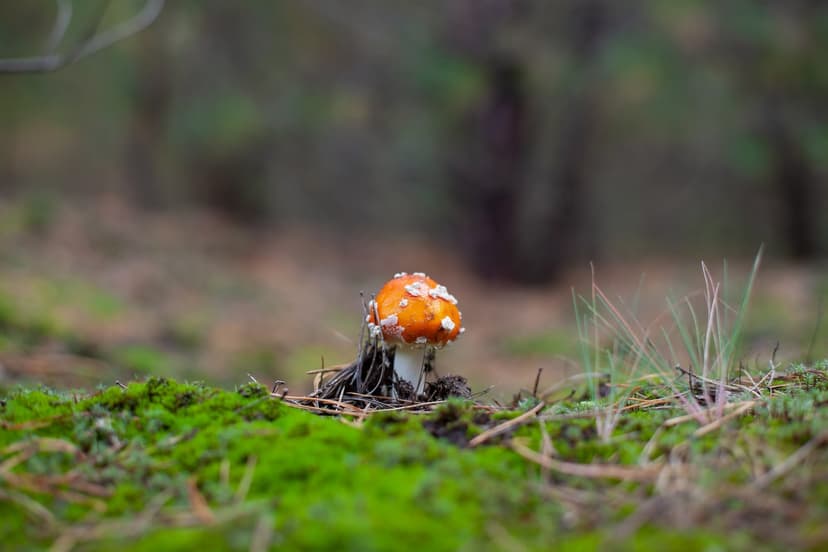
Psychedelic drugs are undergoing serious medical research, with psilocybin showing promise for severe depression and awaiting potential FDA approval. However, this interest has unfortunately fueled the market for more dangerous hallucinogenic mushrooms like amanita muscaria, commonly known as fly agaric. Despite its known harms and lack of medical proof, amanita muscaria products are openly sold due to a regulatory gap.
Unlike psilocybin, amanita muscaria and its compounds are not federally controlled. This has allowed vape shops and online retailers to distribute harvested mushrooms and muscimol-derived products, often with unsubstantiated health claims. A 2024 study revealed a 114 percent increase in Google searches for these mushrooms, and a Rand report estimated 3.5 million American adults used them in 2025.
Experts believe consumers are confusing amanita with psilocybin, amplified by aggressive marketing. This misinformation has led to tragic outcomes, including a 2024 outbreak linked to 180 illnesses, 73 hospitalizations, and three deaths across 34 states. Testing revealed products contained psilocybin and prescription drugs, with arbitrary dosages and undisclosed ingredients.
Furthermore, amanita products are often packaged as appealing gummies and chocolates, resembling children's treats, with minimal warning labels. This poses a significant risk to children, who are more susceptible to toxic effects. While the FDA has issued warnings, federal enforcement has been limited, leaving states to implement consumer protections such as age restrictions and mandatory testing.