Home / Health / Toxic Fumes Linked to Pilot Deaths?
Toxic Fumes Linked to Pilot Deaths?
23 Dec, 2025
Summary
- Fumes from engine oil leaks may cause brain damage and heart attacks.
- Families claim contaminated cabin air led to pilot illnesses and deaths.
- Aviation industry disputes direct causal link to toxic fume events.
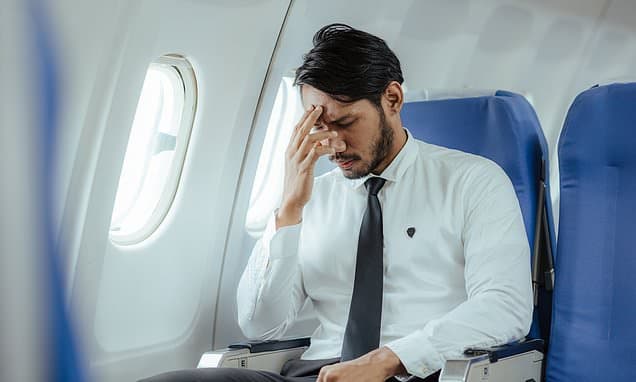
Growing fears suggest that contaminated air within commercial aircraft cabins could be responsible for fatal illnesses among flight crew. Investigations have uncovered claims linking toxic fumes, originating from heated engine oil leaks, to severe health problems including brain damage, heart attacks, and even suicide among pilots and cabin attendants. Families are increasingly coming forward, asserting that exposure to these so-called 'fume events' has led to the serious illness or death of previously healthy individuals.
The aviation industry, however, strongly refutes any direct causal relationship, maintaining that the air supplied in aircraft cabins is safe and adheres to all health standards. Despite these assurances, journalists have documented dozens of cases where aircrew reported sudden neurological, cardiac, and psychiatric symptoms after encountering fumes with distinct odors like 'dirty socks' or burning oil. While fume events are acknowledged, their potential to cause long-term illness or death remains a contentious issue, with some experts suggesting a lack of conclusive proof partly due to airlines' resistance to installing air quality monitoring systems.
Several striking cases highlight these concerns. One involves Ron Weiland, an American Airlines pilot diagnosed with ALS, whose family believes toxic air exposure triggered the illness after a significant fume event in 2016. Another case features James Anderberg, a Spirit Airlines pilot who suffered a fatal heart attack after repeated fume exposures, though an autopsy ruled the cause undetermined. The death of Matthew Bass, a British Airways flight attendant, is also cited, with his family suspecting fume exposure contributed to his heart condition, though an inquest pointed to other factors. Allegations also connect toxic air exposure to increased rates of depression and suicide among pilots, with one study suggesting a doubled suicide rate.