Home / Health / Tetanus Fears Rise as Vaccinations Plummet
Tetanus Fears Rise as Vaccinations Plummet
24 Dec
Summary
- Tetanus cases in the U.S. have reached a decade high.
- Many U.S. counties show declining vaccination rates for children.
- Climate change and natural disasters increase tetanus exposure risks.
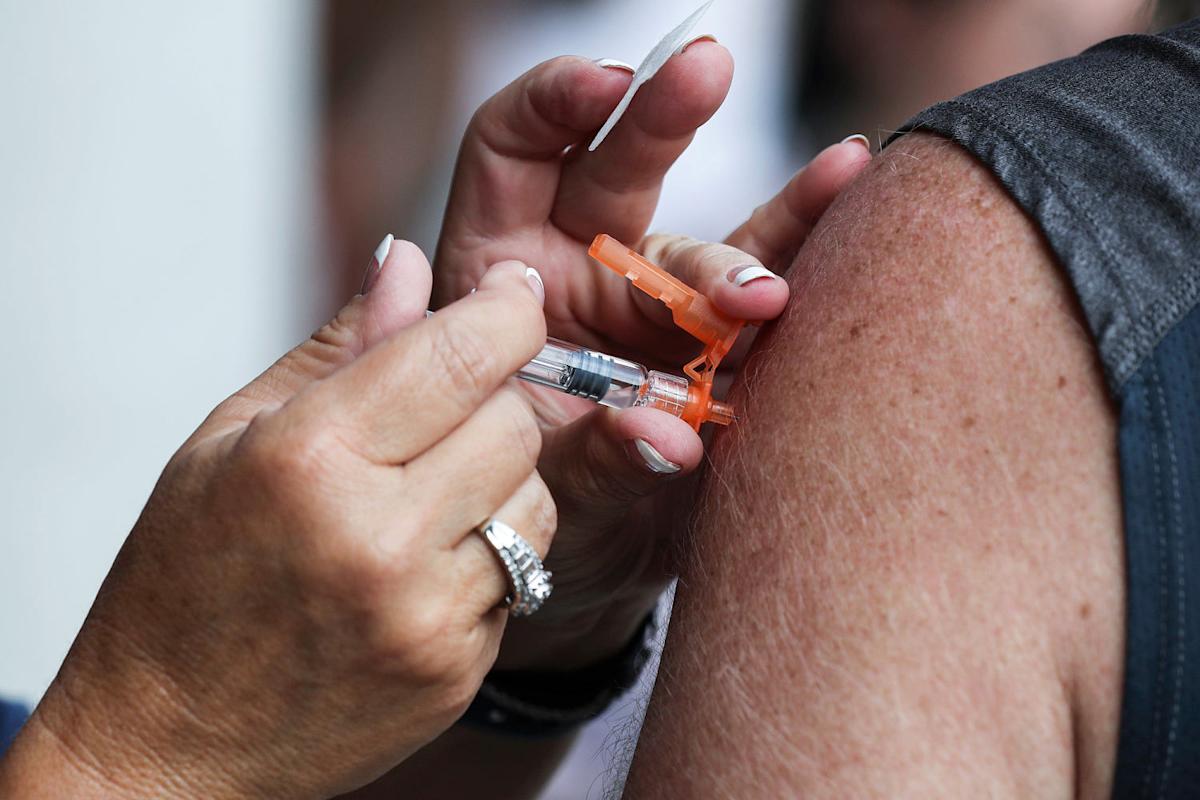
Doctors are raising alarms as tetanus vaccination rates decline across the United States, contributing to a concerning rise in reported cases. This resurgence marks a significant setback after decades of progress in combating the deadly bacterial infection, with 2024 seeing 32 cases and the current year already recording at least 37 confirmed cases, the highest in over a decade. Investigations reveal widespread decreases in childhood DTaP immunizations, leaving a growing segment of the population unprotected against tetanus, often known as lockjaw.
Tetanus bacteria thrive in soil and manure, and infection typically occurs through puncture wounds. The disease can lead to severe muscle spasms, difficulty breathing, and a characteristic facial distortion known as the sardonic grin. Treatment is arduous and exceptionally costly, with one unvaccinated child incurring nearly $1 million in medical bills. Doctors emphasize that the cost of vaccines is minuscule compared to the intensive medical care required for tetanus patients, highlighting the preventable nature of this severe illness.
Compounding these concerns is the impact of climate change, which is increasing the frequency and intensity of natural disasters like hurricanes and floods. These events heighten the risk of puncture wounds as people navigate debris, making areas with declining vaccination rates particularly vulnerable. States like Florida, Texas, and Kansas, which are prone to severe weather, are experiencing notable drops in tetanus vaccination rates, amplifying the potential for outbreaks and further public health challenges.