Home / Health / Teens Losing Crucial Sleep: A Growing Epidemic
Teens Losing Crucial Sleep: A Growing Epidemic
8 Mar
Summary
- Nearly 75% of US teens report insufficient sleep, up 8% since 2007.
- Teens sleeping five hours or less daily surged from 15.8% to 23.0%.
- Sleep loss impacts all adolescent demographics, regardless of behavior.
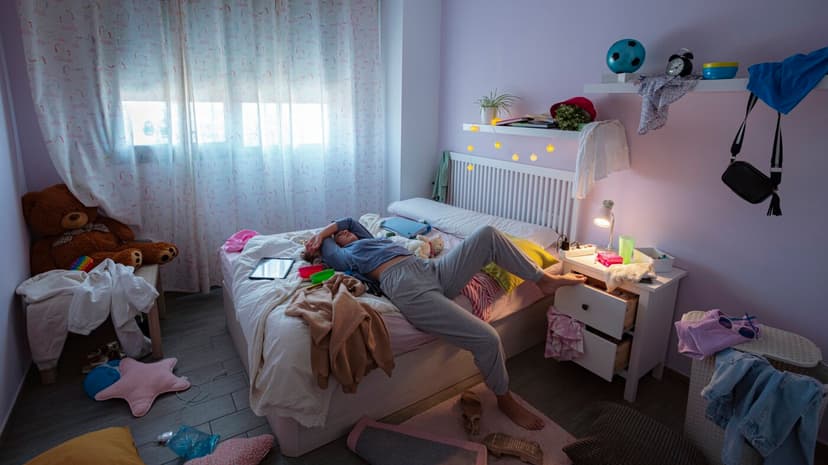
Adolescent sleep deprivation has reached epidemic proportions, with a concerning increase in teenagers getting insufficient sleep. A recent analysis found that approximately 75% of American high school students reported sleeping less than eight hours per night in 2023, a notable rise since 2007. This trend is marked by a significant increase in those sleeping five hours or less daily.
The surge in insufficient sleep affects adolescents across various demographics, including differences observed between Black and white students, though widespread increases were noted across age, sex, and race. Surprisingly, this trend is not directly linked to screen time or other risk behaviors, with some data suggesting teens with less screen use are experiencing greater sleep loss.
Experts speculate contributing factors may include earlier school start times and increased extracurricular demands. The consequences are significant, impacting emotional regulation, physical health, mental well-being, and academic performance. Experts emphasize the importance of good sleep hygiene, consistent schedules, and morning light exposure to regulate sleep cycles.
Recommendations for improving adolescent sleep include creating a conducive sleep environment, establishing regular sleep patterns, and considering delayed school start times. Research indicates that later school start times correlate with increased sleep and better academic outcomes for teenagers, highlighting a critical need for action.