Home / Health / Teen's 4-Hour Cornflour Lifeline Against Rare Disease
Teen's 4-Hour Cornflour Lifeline Against Rare Disease
6 Sep
Summary
- Catherine McMillan, 14, must drink cornflour and water every four hours.
- She has Glycogen Storage Disease type 1b (GSD1b), an ultra-rare genetic disorder.
- Her family advocates for research into GSD1b and drug repurposing.
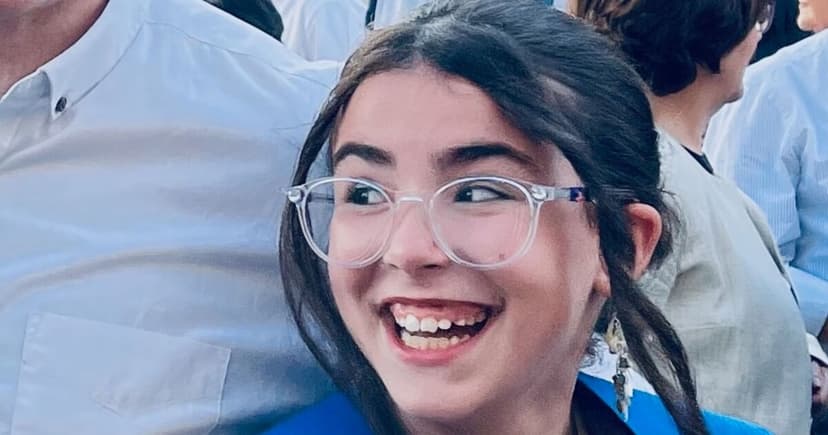
Catherine McMillan, now 14, navigates life with Glycogen Storage Disease type 1b (GSD1b), an ultra-rare genetic disorder affecting approximately one in a million births. This condition necessitates a strict four-hourly intake of a cornflour and water mixture to regulate her blood sugar, a regimen she has followed since her diagnosis at two-and-a-half years old. Originally from Kent, England, Catherine now resides in Zamora, Spain, where she receives specialized metabolic management.
Her parents, Jason and Maria, are vocal advocates for increased research into GSD1b and similar rare diseases. They highlight the life-saving potential of repurposing existing medications, citing Catherine's use of empagliflozin to manage her neutropenia, a common complication of GSD1b. The family's experience underscores the significant diagnostic delays and the need for broader awareness and expertise within healthcare systems for rare genetic conditions.
Catherine's condition means her life revolves around meticulously planned meals and the constant vigilance required to manage her health. She often reflects on the simple freedoms her friends enjoy without such constraints, expressing a wish for a cure that would allow her to sleep through the night and live without constant health considerations. Her family relocated to Spain in 2015 to access better treatments and expertise.
Jason McMillan emphasizes the critical nature of the four-hour feeding schedule, explaining that it prevents fatal hypoglycemic episodes, a risk previously associated with GSD1b before cornstarch therapy. This regime, while life-sustaining, involves constant management, including waking Catherine during the night. The family actively supports charities like Sophie's Hope to fund research and aid families affected by GSD1b.


