Home / Health / Superbug fight pipeline shrinks dramatically
Superbug fight pipeline shrinks dramatically
10 Mar
Summary
- Drug-resistant infections could cause 8 million deaths by 2050.
- R&D pipeline for superbugs has shrunk by 35% in five years.
- GSK is the leader in antimicrobial resistance research.
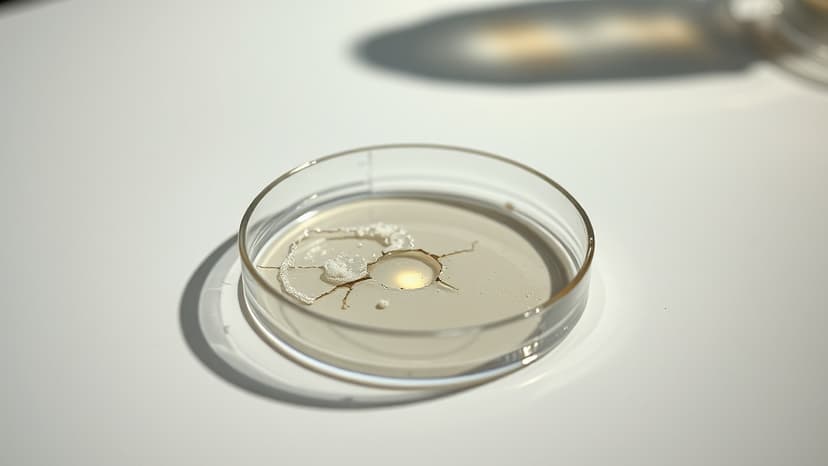
The global fight against superbugs faces a critical challenge as the research and development pipeline for new antimicrobial drugs has shrunk by 35% over the past five years. Experts warn that without renewed investment, annual deaths from drug-resistant infections, currently over 1 million, could double to nearly 2 million by 2050. These infections already contribute to 4 million deaths annually worldwide, a figure projected to exceed 8 million by mid-century.
Despite the grim outlook, the UK's GSK is at the forefront of antimicrobial resistance research, boasting 30 projects and leading the industry's efforts. Japan's Shionogi and Otsuka are also significant contributors. However, the overall number of medicines in development has decreased from 92 to 60. This dwindling investment from large pharmaceutical companies is seen as a major threat to global health security. Recently approved antibiotics for gonorrhea and urinary tract infections offer glimmers of hope, but sustained innovation is crucial.