Home / Health / Sugar, Not Alcohol, Fuels Liver Disease Surge
Sugar, Not Alcohol, Fuels Liver Disease Surge
19 Mar
Summary
- Non-alcoholic fatty liver disease is rising due to sugar, not alcohol.
- Excess sugar and refined carbs lead to insulin resistance and fat buildup.
- Lifestyle changes like weight loss and exercise can reverse the condition.

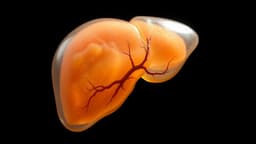
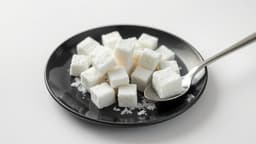
A concerning rise in non-alcoholic fatty liver disease (NAFLD) is being observed, with experts attributing the surge primarily to excessive sugar consumption and refined carbohydrates. This condition, often misunderstood as being alcohol-related, is driven by frequent snacking on sugary items and processed foods. These dietary habits can lead to insulin resistance, prompting the liver to convert excess sugar into fat.
As sugar intake elevates blood sugar levels, the body releases insulin. Persistent high sugar consumption can impair the body's response to insulin. The liver then begins producing fat, a process known as de novo lipogenesis, further contributing to fat buildup within liver cells. This accumulation can result in inflammation and damage, leading to NAFLD, a condition many remain unaware they have.
The good news is that NAFLD is frequently reversible with targeted lifestyle modifications. Losing even a small percentage of body weight, such as 5-10%, can substantially decrease liver fat. Daily physical activity, even a brisk walk, enhances the body's ability to manage sugar. Focusing on whole foods, fiber, protein, and healthy fats while reducing added sugars and ultra-processed carbohydrates, particularly fructose-rich drinks, is crucial for stabilizing blood sugar.
Limiting alcohol intake is also advised, as the liver is already under stress. Prioritizing adequate sleep is important, as poor sleep can exacerbate insulin resistance. Essentially, maintaining healthy blood sugar levels directly supports liver health, and the liver demonstrates remarkable resilience when given the opportunity to heal.