feedzop-word-mark-logo
searchLogin
Feedzop
homeFor YouIndiaIndia
You
bookmarksYour BookmarkshashtagYour Topics
Trending
Terms of UsePrivacy PolicyAboutJobsPartner With Us

© 2026 Advergame Technologies Pvt. Ltd. ("ATPL"). Gamezop ® & Quizzop ® are registered trademarks of ATPL.

Gamezop is a plug-and-play gaming platform that any app or website can integrate to bring casual gaming for its users. Gamezop also operates Quizzop, a quizzing platform, that digital products can add as a trivia section.

Over 5,000 products from more than 70 countries have integrated Gamezop and Quizzop. These include Amazon, Samsung Internet, Snap, Tata Play, AccuWeather, Paytm, Gulf News, and Branch.

Games and trivia increase user engagement significantly within all kinds of apps and websites, besides opening a new stream of advertising revenue. Gamezop and Quizzop take 30 minutes to integrate and can be used for free: both by the products integrating them and end users

Increase ad revenue and engagement on your app / website with games, quizzes, astrology, and cricket content. Visit: business.gamezop.com

Property Code: 5571

Home / Health / Stanford Scientists Discover Arthritis Cartilage Repair

Stanford Scientists Discover Arthritis Cartilage Repair

9 Jan

•

Summary

  • A key protein, 15-PGDH, increases with age and disrupts tissue repair.
  • Blocking 15-PGDH activated chondrocyte cells for cartilage maintenance.
  • Drug inhibitor showed significant cartilage regeneration in mice.
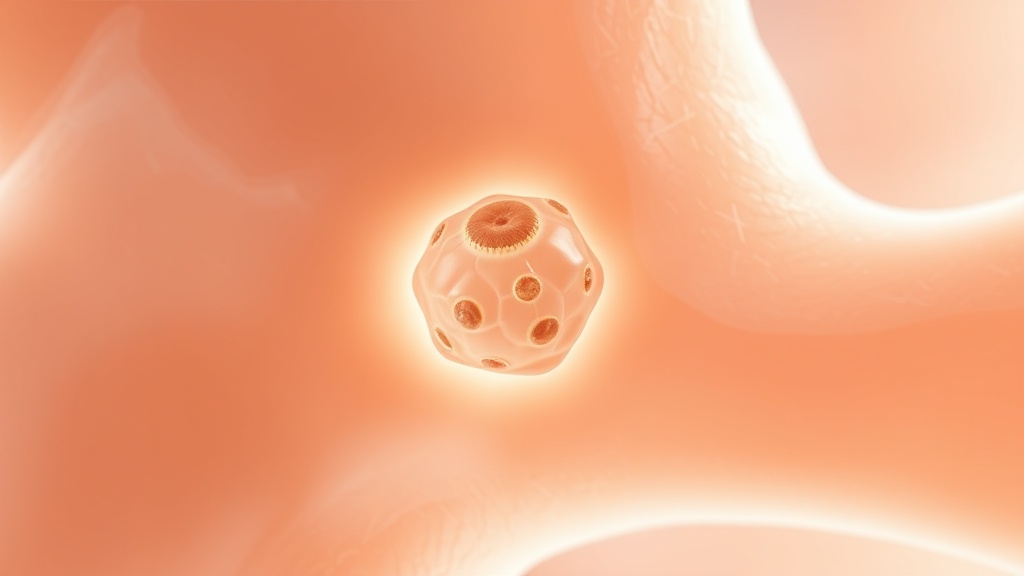
Stanford Scientists Discover Arthritis Cartilage Repair

In a significant development for osteoarthritis research, scientists at Stanford University have pinpointed a protein called 15-PGDH as a key factor in age-related cartilage degeneration. This protein, which elevates with age, hinders tissue repair and inflammation control, leading to joint deterioration.

The research demonstrated that inhibiting 15-PGDH can prompt the body's natural chondrocyte cells to maintain and thicken cartilage. This novel approach successfully regenerated cartilage in older mice with damaged knee joints and prevented osteoarthritis development in younger mice with injuries.

This discovery bypasses the need for stem cell therapy, presenting a less invasive method for adult tissue regeneration. Researchers are optimistic that this finding could lead to future human treatments that restore mobility and alleviate the significant unmet medical need for effective osteoarthritis therapies.

Disclaimer: This story has been auto-aggregated and auto-summarised by a computer program. This story has not been edited or created by the Feedzop team.
Yes, Stanford scientists have identified a protein and developed an inhibitor that shows promise in regenerating cartilage in mice, potentially leading to new arthritis treatments.
The protein 15-PGDH increases with age and is linked to disrupting tissue repair and inflammation, contributing to joint degeneration and osteoarthritis.
By inhibiting the 15-PGDH protein, the method activates the body's own chondrocyte cells, responsible for maintaining cartilage, without relying on stem cells.

Read more news on

Healthside-arrow
trending

Afghan student found dead at MSU

trending

Kaka launches women's safety app

trending

IBM expands edge AI

trending

KNRUHS scraps maternity fee

trending

Punjab sets 346-run target

trending

Tata Punch facelift launched

trending

HCL Tech Q3 results

trending

Amagi Media Labs IPO opens

trending

TNSTC operates festival special buses

You may also like

Lack of Sleep May Steal Years of Your Life

1 day ago • 10 reads

article image

Gut Bacteria Boosts Weight Loss?

20 Dec, 2025 • 117 reads

article image

Love Hormone Fights Fat: The Oxytocin Link

4 Dec, 2025 • 205 reads

article image

HIV Study Offers New Hope for Control, Cure

2 Dec, 2025 • 258 reads

Young Athlete's Life Cut Short in Game Collapse

26 Nov, 2025 • 292 reads

article image