Home / Health / Social Media Shapes Mental Health Diagnosis First
Social Media Shapes Mental Health Diagnosis First
8 Oct
Summary
- Social media can supply templates for distress expression.
- Psychiatric language is alluring, used to interpret experiences.
- Online communities offer diagnostic frameworks before symptoms.
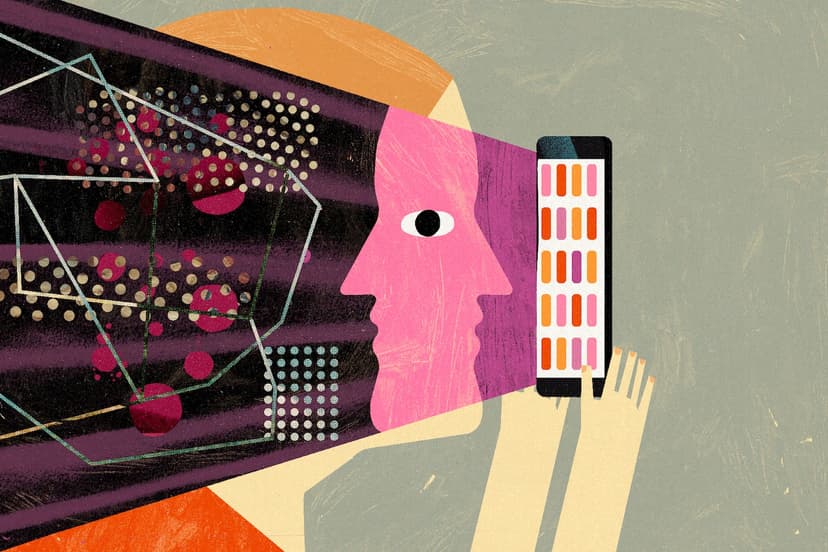
Social media is now frequently providing diagnostic frameworks before symptoms even appear. This trend allows online communities to supply the language and templates through which individuals interpret their distress. Previously, symptoms guided diagnosis; now, online content often reverses this process.
Conditions like Tourette's syndrome have seen patients exhibiting symptoms mirroring those seen online. Similarly, traits like social awkwardness are routinely linked to autism on social media, offering a ready explanation for those feeling different. Psychiatric terms are also becoming diluted, with 'eating disorder' encompassing a broader range of experiences than clinical definitions.
This cultural shift, driven by algorithmic exposure to psychiatric vocabulary and symptom demonstrations, means young people often arrive in clinical settings with pre-formed explanations for their suffering. While suffering is genuine, culture now plays a significant role in shaping its expression and interpretation.


