Home / Health / Too Old for Snow Shoveling? Experts Weigh In
Too Old for Snow Shoveling? Experts Weigh In
3 Dec, 2025
Summary
- Shoveling snow can strain the heart as much as a treadmill stress test.
- Nearly 200,000 emergency room visits and 1,600 deaths linked to snow shoveling.
- Experts suggest those over 45 or with heart risk factors should be cautious.
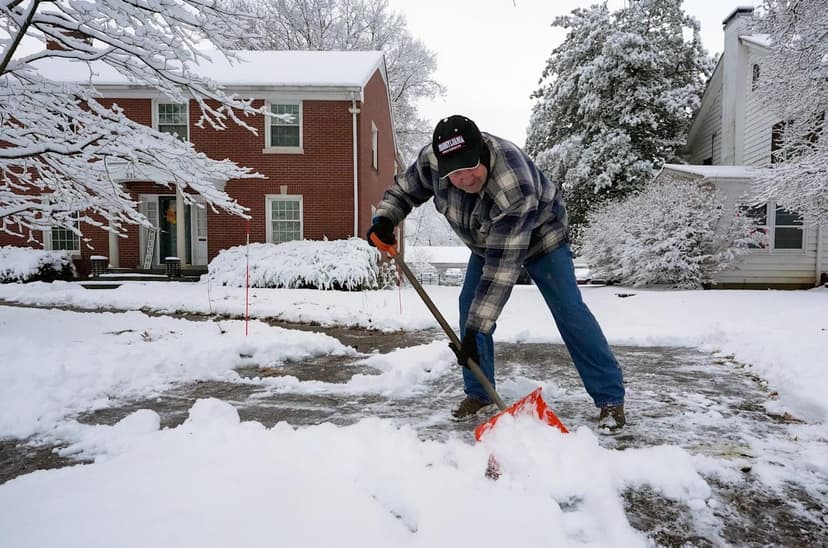
As winter weather blankets the United States, the seemingly simple act of shoveling snow presents a serious cardiac challenge. Experts warn that the exertion can place as much, if not more, strain on the heart as a treadmill stress test. This vigorous activity has been linked to a substantial number of emergency room visits and deaths over the years.
Cardiologists advise that individuals aged 65 and older, or those with risk factors for heart disease such as high blood pressure, diabetes, or high cholesterol, should exercise extreme caution. Some experts even recommend that individuals over 45 avoid shoveling snow altogether due to the prevalence of underlying atherosclerosis in this age group.
To mitigate risks, it is advisable to push or sweep snow rather than lift it, pace yourself, and cover your mouth and nose. Using a snow blower, when feasible, can also significantly reduce the cardiac load compared to manual shoveling. Recognizing symptoms of a cardiac event, such as chest pain or lightheadedness, and seeking immediate medical attention is crucial.