Home / Health / Abuja Snakebite Death Highlights Critical Antivenom Crisis
Abuja Snakebite Death Highlights Critical Antivenom Crisis
4 Feb
Summary
- Young singer died from a snakebite after a delay in treatment.
- Antivenom availability in Nigerian hospitals is now under scrutiny.
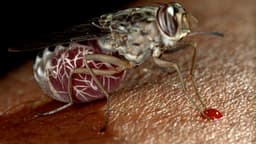
- Global snakebite envenoming is a neglected tropical disease.

A tragic snakebite incident in Abuja, Nigeria, has led to the death of 26-year-old singer Ifunanya Nwangene. She was bitten by a snake in her home and rushed to the hospital, but died on January 31st due to severe neurotoxic complications. Her final moments were marked by a desperate wait for antivenom, highlighting a severe crisis in Nigeria's healthcare system regarding the availability of life-saving treatments.
Reports indicate that the first hospital visited had no antivenom. At the Federal Medical Centre, where treatment was administered, doctors later requested additional doses and a drug called neostigmine, stating the hospital's supply was exhausted. Tragically, Nwangene passed away while a friend was at a pharmacy trying to procure the needed medication.
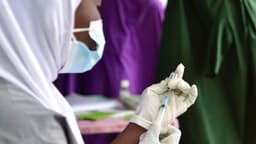
This event has sparked widespread concern, particularly as snakebite envenoming is classified as a neglected tropical disease by the WHO. Campaigners stress that such deaths are preventable with timely access to effective antivenoms, which are essential medicines. Global health officials emphasize their importance in primary healthcare packages where snakebites are prevalent. The incident also brings to light manufacturing and quality issues that have led to antivenom shortages across Africa.
The Federal Medical Centre has disputed claims of non-availability, stating that appropriate treatment was provided. However, the broader issue of antivenom accessibility and administration challenges, as echoed by healthcare workers globally, remains a significant concern requiring urgent political will and investment to address this preventable crisis.