Home / Health / Simulation Saves Lives in Indian Medicine
Simulation Saves Lives in Indian Medicine
3 Dec
Summary
- Preventable clinical errors cause thousands of patient deaths annually in India.
- Structured simulation training is becoming standard in Indian healthcare.
- Simulation enhances technical skills and team communication in medical settings.
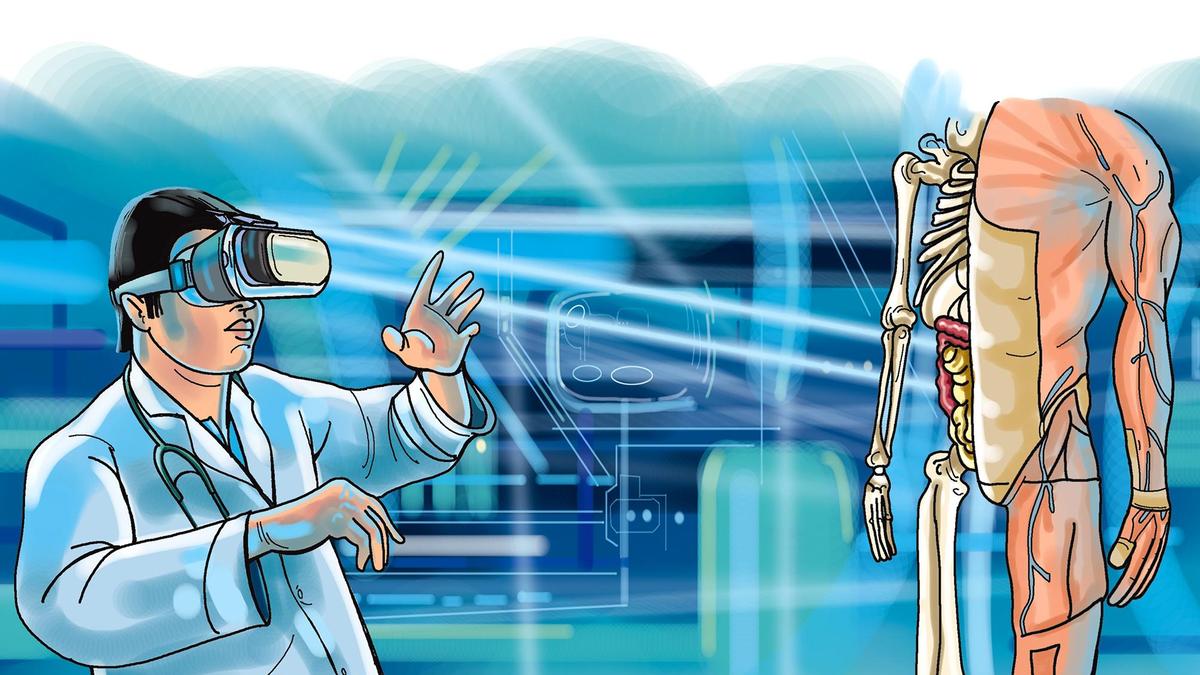
India's healthcare system grapples with a significant number of patient deaths stemming from preventable clinical errors, a reality rarely acknowledged but frequently encountered by medical professionals. Recognizing this critical gap, hospitals are now turning towards structured simulation to enhance the preparedness of their workforce. This is a move away from traditional apprenticeship models where 'learning on the job' can have severe consequences for patients.
The adoption of simulation-based training is gaining momentum across India as a response to the urgent need for standardized responses to high-stakes medical scenarios. This practice allows clinicians to rehearse procedures and emergency protocols on lifelike simulators, fostering muscle memory and reducing errors. Beyond technical skills, simulation also improves team coordination and communication, which are vital in fast-paced environments like emergency departments.
The integration of simulation is particularly transformative in nursing education, where students can practice numerous procedures before patient contact. This investment promises reduced complications and safer patient care nationwide. While scaling these initiatives to Tier 2 and Tier 3 cities presents a challenge, efforts are underway to decentralize training through mobile units and blended learning models, ensuring broader accessibility and a cultural shift towards prioritizing preparedness over improvisation in healthcare.