

Home / Health / Nandurbar's Finger-Prick Test Revolutionizes Sickle Cell Screening
Nandurbar's Finger-Prick Test Revolutionizes Sickle Cell Screening
11 Apr
Summary
- Nearly seven lakh people screened for sickle cell disease since April 2025.
- 7,000 people diagnosed with sickle cell disease; up to 22% identified as carriers.
- DBS-based PCR testing offers improved accuracy over older methods.
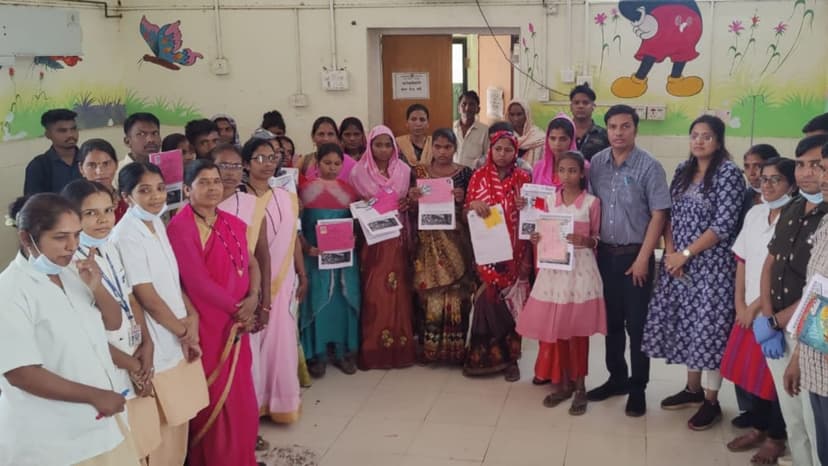
In Maharashtra's Nandurbar district, a crucial shift in sickle cell disease screening is underway. Since April 2025, the National Sickle Cell Anaemia Elimination Mission has utilized a finger-prick dried blood spot (DBS)-based Polymerase Chain Reaction (PCR) test, significantly enhancing diagnostic capabilities. This initiative has screened close to seven lakh people, diagnosing approximately 7,000 individuals with the genetic blood disorder and identifying up to 22% of those tested as carriers.
The new DBS-PCR method offers superior accuracy compared to older solubility tests, which were faster but prone to errors. This is particularly vital in tribal districts like Nandurbar, where the prevalence of sickle cell disease is higher due to genetic patterns within close-knit communities. Health officials estimate over 15,000 residents may be affected, many undiagnosed.
Nandurbar's program, supported by the state's Arunodoy initiative, focuses on saturation screening for individuals under 40, aiming to test all eligible people by 2027. The district now conducts about 50,000 tests monthly, integrating the program into the public health system through ASHA workers and community outreach for improved participation and follow-up care.

