Home / Health / Shoes Indoors: A Hidden Lifespan Threat?
Shoes Indoors: A Hidden Lifespan Threat?
10 Dec, 2025
Summary
- Wearing shoes inside transfers thousands of germs, chemicals, and allergens.
- Studies reveal E. coli and C. diff bacteria are commonly found on shoe soles.
- Leaving shoes at the door is a simple, cheap habit to protect family health.
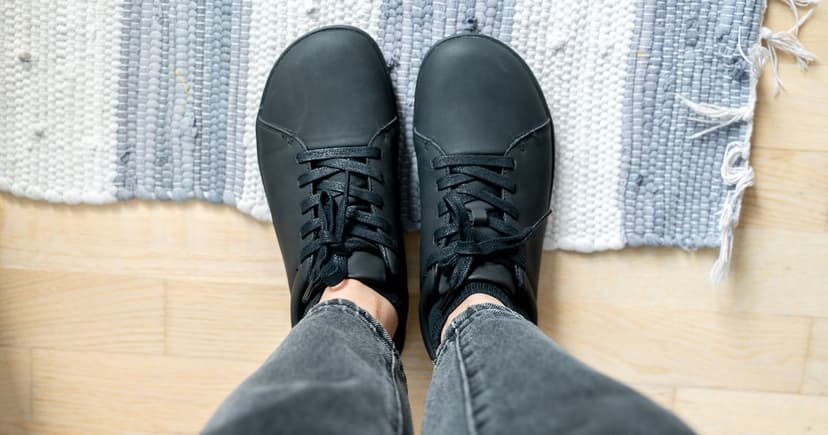
UK households are being warned about the health risks associated with wearing shoes indoors. Research highlights that footwear can carry hundreds of thousands of germs, including E. coli and C. diff bacteria, along with chemicals and allergens. These contaminants can transfer to floors and furnishings, posing a significant risk to family members, particularly babies and older relatives with weaker immune systems.
The presence of these germs indoors can exacerbate health issues, especially during winter when more time is spent inside. Toddlers crawling on contaminated floors or pets transferring germs from their paws to sofas and beds further increase exposure. Public places like shopping centres and hospitals leave traces of pollutants on shoe soles, which are then brought into living spaces.
Health experts strongly advise leaving outdoor shoes at the door to minimize germ exposure. Opting for indoor slippers, socks, or going barefoot is a simple yet effective way to create a healthier home environment. This habit, especially during colder months, is considered one of the easiest and cheapest health protection measures available.