feedzop-word-mark-logo
searchLogin
Feedzop
homeFor YouIndiaIndia
You
bookmarksYour BookmarkshashtagYour Topics
Trending
Terms of UsePrivacy PolicyAboutJobsPartner With Us

© 2026 Advergame Technologies Pvt. Ltd. ("ATPL"). Gamezop ® & Quizzop ® are registered trademarks of ATPL.

Gamezop is a plug-and-play gaming platform that any app or website can integrate to bring casual gaming for its users. Gamezop also operates Quizzop, a quizzing platform, that digital products can add as a trivia section.

Over 5,000 products from more than 70 countries have integrated Gamezop and Quizzop. These include Amazon, Samsung Internet, Snap, Tata Play, AccuWeather, Paytm, Gulf News, and Branch.

Games and trivia increase user engagement significantly within all kinds of apps and websites, besides opening a new stream of advertising revenue. Gamezop and Quizzop take 30 minutes to integrate and can be used for free: both by the products integrating them and end users

Increase ad revenue and engagement on your app / website with games, quizzes, astrology, and cricket content. Visit: business.gamezop.com

Property Code: 5571

Home / Health / Genes Link Multiple Mental Health Disorders

Genes Link Multiple Mental Health Disorders

27 Jan

•

Summary

  • New research identifies shared genetic roots for psychiatric disorders.
  • Study examined DNA from over 1 million individuals with mental health conditions.
  • Findings could pave way for treatments targeting multiple disorders.
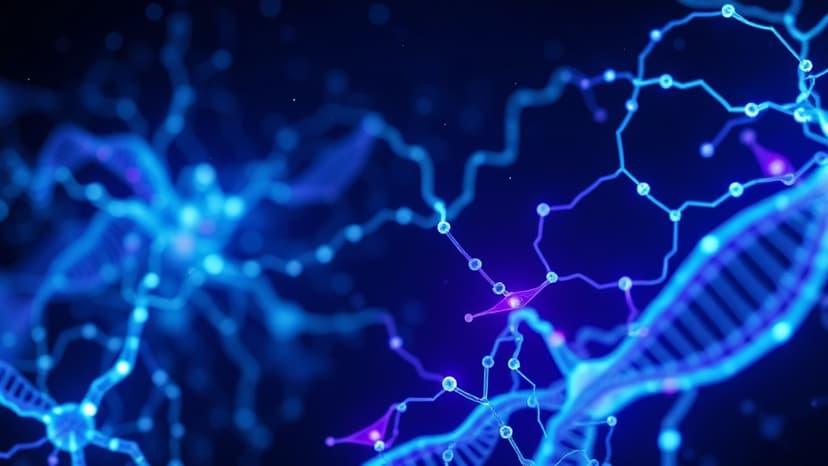
Genes Link Multiple Mental Health Disorders

A significant new study has uncovered evidence that psychiatric disorders share common genetic underpinnings. Researchers examining DNA data from over 1 million individuals with 14 different childhood and adult-onset psychiatric disorders found that certain DNA variations can influence multiple mental health conditions. This could explain the frequent co-occurrence of disorders like depression, anxiety, schizophrenia, and ADHD.

The research sorted disorders into five categories: compulsive, schizophrenia/bipolar, neurodevelopmental, internalizing, and substance-use. Each category showed links to specific genetic differences that affect brain function. For instance, schizophrenia and bipolar disorder showed strong connections to brain cells involved in 'go' signals, while internalizing disorders like depression and anxiety were linked to cells that speed up brain signal transmission.

trending

Padma Awards: Unsung heroes honoured

trending

Mumbai Metro Line 11

trending

Border 2 box office success

trending

Australian Open Heat Suspends Play

trending

MPESB Police Answer Key 2026

trending

Arne Slot on Mo Salah

trending

BBL 2026 Qualifier prediction

trending

Man wins £79,000 Range Rover

trending

Samsung Galaxy S26 Ultra

Experts suggest these findings challenge current diagnostic methods, which are often not biology-based. They emphasize that mental illnesses are interconnected brain health issues, not isolated symptoms. While genetics increase risk, factors like stress and environment play a crucial role in triggering conditions. This research offers a biological perspective that may eventually lead to early screening tools and more integrated treatment strategies for mental health.

This study's implications suggest a future where mental health care moves beyond symptom-based diagnoses. By combining genetic research with brain imaging and other data, a more comprehensive understanding and personalized treatment approach may become possible. The research underscores that genetics 'set the stage' for risk, but environmental factors are key in the manifestation of disorders.

Disclaimer: This story has been auto-aggregated and auto-summarised by a computer program. This story has not been edited or created by the Feedzop team.
The study found that psychiatric disorders can share common genetic influences, meaning certain DNA parts can be at the root of more than one mental condition.
The research examined DNA data for more than 1 million individuals with 14 childhood and adult-onset psychiatric disorders.
Uncovering shared genetic roots could lead to the development of treatments that target multiple disorders simultaneously, rather than treating each one in isolation.

Read more news on

Healthside-arrow

You may also like

Psychiatric disorders share common genes

16 Jan • 43 reads

article image

Genes Link Minds: Shared Roots for Mental Health

4 Jan • 158 reads

article image

US Mental Health Plummets: Experts See Silver Lining

18 Dec, 2025 • 171 reads

Midlife Blues Signal Future Dementia Risk

16 Dec, 2025 • 207 reads

article image

Shy Bowels: The Public Toilet Terror

12 Dec, 2025 • 210 reads

article image