Home / Health / Beyond 'At Least You Have One': Facing Secondary Infertility
Beyond 'At Least You Have One': Facing Secondary Infertility
10 Jul
Summary
- Secondary infertility affects nearly 29% of women in India.
- Age and lifestyle factors significantly impact conception.
- Societal stigma silences many women experiencing this struggle.
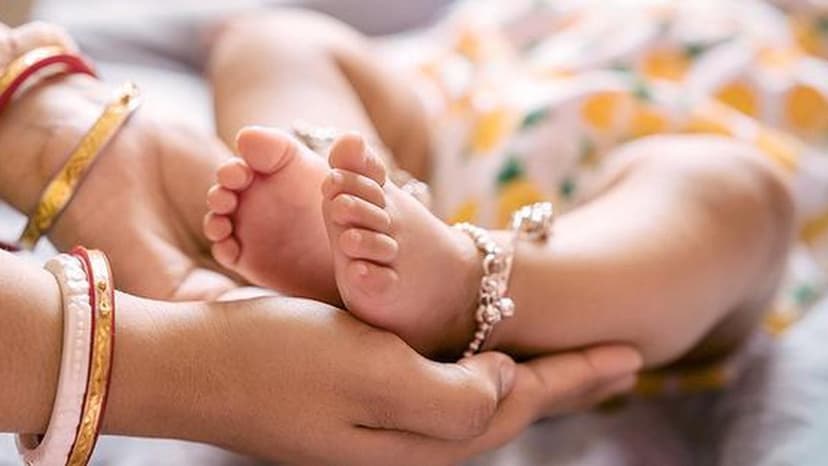
Secondary infertility, defined as difficulty conceiving or carrying a pregnancy after already having a child, is a growing concern, impacting nearly 29% of women in India by 2015-16. This condition is often compounded by societal pressures and a lack of open discussion.
Several factors contribute to secondary infertility. A significant one is the delay in starting families; women often have their first child in their early thirties, meaning they may be in their late thirties or forties when trying for a second, a period when fertility naturally declines. Age-related decreases in egg quality and quantity are critical.
Beyond age, personal health changes play a role. Weight gain, thyroid issues, and conditions like Polycystic Ovary Syndrome (PCOS), which affects one in five Indian women, can worsen over time. Previous C-sections might cause adhesions, and undetected infections can scar fallopian tubes.
Male factor infertility also contributes significantly, with sperm counts affected by weight, stress, smoking, and pollution. However, societal norms often lead men to delay semen testing, believing their prior fertility negates any current issues.
Social media, while raising fertility awareness, can also exacerbate distress through constant 'Baby No. 2!' announcements and portrayals of perfect siblings. Misleading reels promising quick IVF success or ineffective home remedies can also cause delays in seeking proper medical help.
Experts emphasize that the pain of secondary infertility is valid and a medical condition, not a sign of ingratitude or a personal failing. They urge couples to undergo joint evaluation if a woman under 35 has been trying for a year, or over 35 for six months, without delay.
Modern fertility treatments offer hope, with IVF being successful for many, even in their late thirties and forties. However, realistic expectations are crucial, and guaranteed outcomes should be approached with caution. The most impactful support often comes from listening without judgment and acknowledging the silent grief of those hoping for another child.


