

Home / Health / Screen Time Overload: Kids' Mental Health Crisis
Screen Time Overload: Kids' Mental Health Crisis
2 Apr
Summary
- Early screen exposure hinders development of other senses and social skills.
- Adolescents face emotional regulation issues from excessive screen use.
- Unfettered phone access for young children can lead to severe mental health problems.
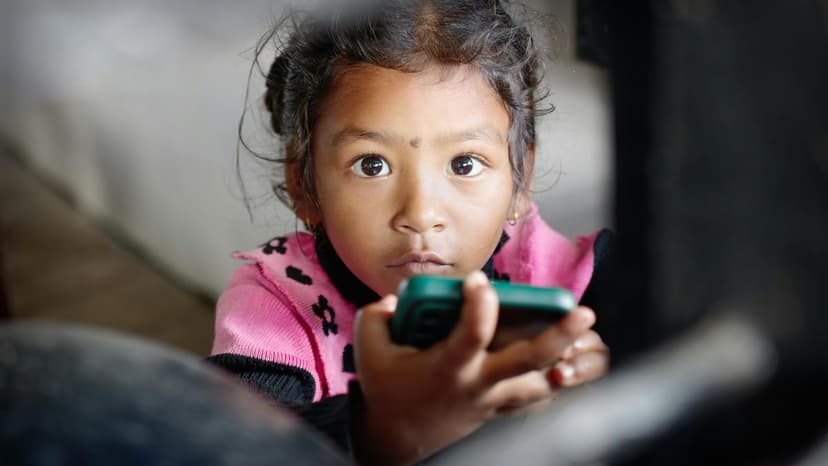
Early and extensive exposure to digital devices is raising alarms among paediatricians and psychologists regarding children's development.
Children under two years old, especially, require limited screen time to foster sensory development. Overwhelming them with visual stimuli can skew their perception and harm their ability to interact with the world and people around them.
Adolescents and older children also face consequences from increased screen and social media use. These issues include poorer emotional regulation, detachment from reality, and loss of focus. Some studies indicate teenagers spend approximately 8.5 hours daily on screen-based entertainment.
Mental health issues can escalate, with research linking early phone access to hallucinations, aggression, diminished self-worth, and suicidal thoughts. One alarming instance involved three sisters in India who died by suicide after their phone usage was restricted.
Experts emphasize that children learn crucial social skills, like reading body language and managing conversations, through real-world interactions. Excessive online engagement impedes this learning, leading to difficulties in forming lasting interpersonal relationships and a detachment from physical reality.
Studies reveal a cycle where screen time exacerbates emotional problems, and emotional distress leads to increased screen use. Limiting screen time to recommended hours, under an hour for preschoolers and under two for older children, is crucial. Addressing unsupervised nighttime or private screen use is also vital to prevent exposure to inappropriate content.
