Home / Health / Rural Scotland Care Crisis: Dying Far From Home?
Rural Scotland Care Crisis: Dying Far From Home?
10 Feb
Summary
- A care home closure forced a man to die 90 minutes from his home.
- Assisted dying debates are complicated by lack of local palliative care.
- Palliative care needs in Scotland are projected to rise significantly.
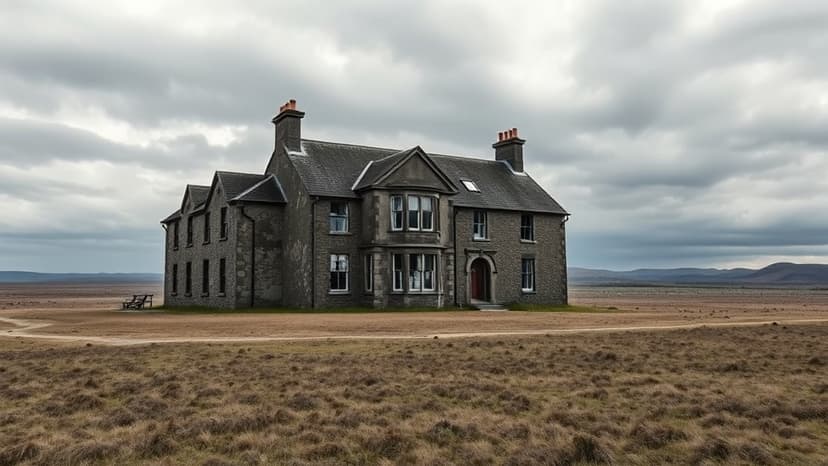
The closure of the Caladh Sona care home in Melness, Scotland, in 2023 has deeply impacted end-of-life care accessibility in the remote crofting village. George Mackay, a resident diagnosed with terminal cancer in 2024, had to relocate to a hospital over 90 minutes away, a situation his sister Margaret describes as a loss of his wish to die at home.
This experience has intensified discussions around assisted dying legislation in Scotland. Margaret worries that a lack of adequate palliative care in rural areas might pressure individuals into choosing medically assisted death, rather than facing the prospect of dying far from their communities. This situation contrasts with the comprehensive palliative care received by Steph Bruntlett at Highland Hospice in Inverness.
Marie Curie estimates palliative care needs in Scotland will rise by nearly 20% by 2050. Despite government funding increases, industry bodies argue it is insufficient, particularly for rural regions. The Scottish government acknowledges social care challenges and is exploring solutions, though recruitment in remote areas remains difficult.