Home / Health / School Allergy Bans Fail: Rethink Safety Strategies
School Allergy Bans Fail: Rethink Safety Strategies
8 Sep
Summary
- School food allergy bans have not proven effective in scientific studies.
- Training and epinephrine access are considered the gold standard for safety.
- Focusing solely on peanuts overlooks other common, serious allergens.
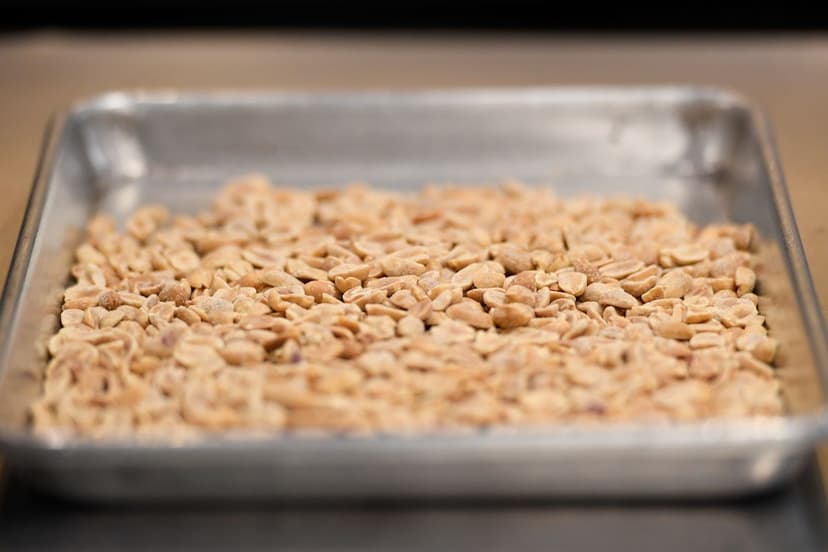
Recent analysis indicates that school-wide food allergy bans are not scientifically validated and may offer a false sense of security. Studies, including one in Massachusetts, found these policies have little to no impact on allergic reactions. In some cases, self-proclaimed "peanut-free" schools reported higher EpiPen usage than others.
Experts emphasize that broad allergen bans are not enforceable and can distract from more critical allergens like milk and eggs. The recommended "gold standard" for protecting students involves layered defenses. This includes comprehensive training for staff and students on recognizing and treating anaphylaxis, along with ensuring easy access to epinephrine.
Michael Suhy, whose daughter Allison died from a severe allergic reaction, now runs a foundation promoting this approach. Ohio's Allison Rose Act encourages K-12 schools to implement such training and epinephrine availability. This strategy aims to prepare children to navigate a world with prevalent allergens, equipping them with vital self-advocacy skills.
While narrow classroom restrictions might suit very young children, the long-term goal is empowering students to manage their allergies independently. This preparation is crucial as they transition to environments like college, where they may lack familiar support systems and face intensified allergic reactions.


