Home / Health / Salty Snacks Before Bed? Your Hormones Could Suffer
Salty Snacks Before Bed? Your Hormones Could Suffer
22 Nov
Summary
- Excess sodium intake can disrupt hormonal balance and sleep quality.
- Salty meals before bed may increase thirst, urination, and blood pressure.
- WHO recommends less than 5g of salt daily; many snacks exceed this.
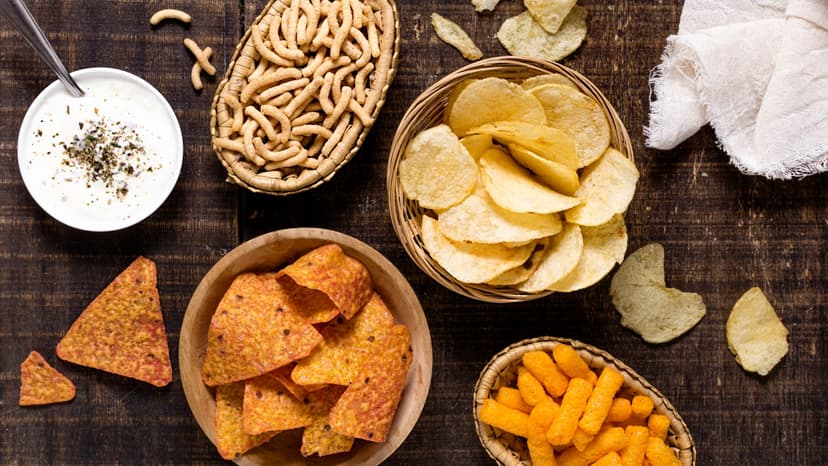
Consistently high sodium intake can disrupt hormonal balance, sleep quality, and blood pressure. A dietitian explains that while a single salty meal might not cause significant issues, sustained excessive salt consumption can influence the body's stress hormones and fluid regulation. Eating salty foods close to bedtime may lead to increased thirst, night-time urination, and elevated blood pressure, all of which interrupt sleep. This poor sleep can, in turn, elevate cortisol levels the following evening.
Excess sodium also affects hormones like aldosterone and vasopressin. High salt intake can lead to reduced aldosterone production and trigger the release of vasopressin, causing thirst and water retention, hence the dry mouth and morning puffiness. It can also blunt the normal dip in blood pressure during sleep, impacting sleep quality and increasing nighttime urination.
To mitigate these effects, it is advised to finish dinner two to three hours before bed and limit overall daily salt intake to under 5 grams, as recommended by the WHO. Flavoring food with herbs and spices instead of salt, and avoiding pickles and papads at night, are beneficial. Consuming potassium-rich foods like curd or bananas can help kidneys clear sodium. Individuals with pre-existing health conditions like high blood pressure or kidney disease should be particularly mindful of their sodium consumption.


