Home / Health / Roche Obesity Drug Shows Major Weight Loss
Roche Obesity Drug Shows Major Weight Loss
27 Jan
Summary
- Roche's experimental obesity drug CT-388 achieved 22.5% weight loss.
- The drug mimics two gut hormones regulating blood sugar and appetite.
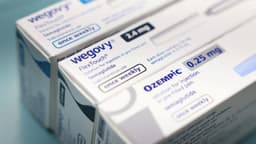
- Roche aims to challenge Novo Nordisk and Eli Lilly in the obesity market.
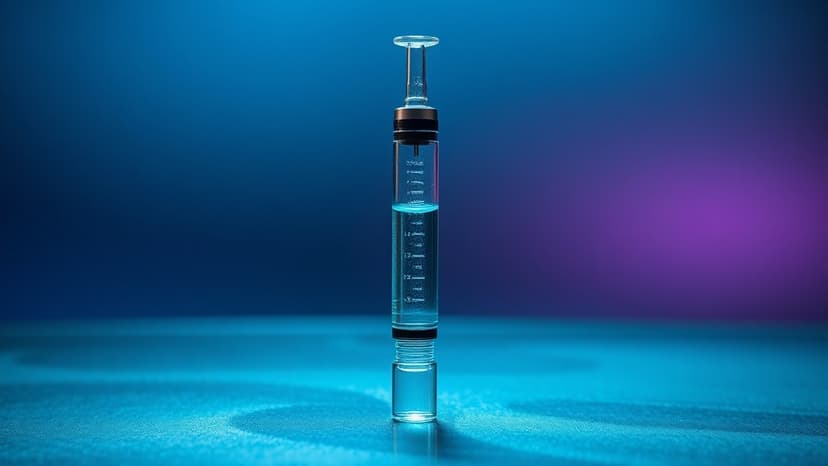
Swiss pharmaceutical firm Roche has reported positive outcomes from a Phase II clinical trial for its experimental obesity drug, CT-388. This once-weekly injection demonstrated robust weight loss, achieving a placebo-adjusted reduction of 22.5% without reaching a plateau at 48 weeks. The drug effectively mimics the action of GLP-1 and GIP, two gut hormones crucial for managing blood sugar and appetite.
These favorable results, showing a well-tolerated safety profile, bolster Roche's confidence as it prepares to initiate Phase III trials this quarter. The company bolstered its obesity drug ambitions by acquiring the dual GLP-1/GIP receptor technology from Carmot Therapeutics for $2.7 billion in late 2023.
Roche is strategically positioning itself to contend in the burgeoning obesity drug market, projected by some analysts to reach $150 billion annually by the early 2030s. The company faces strong competition from established players like Novo Nordisk and Eli Lilly.
Currently, Roche has six drug candidates under investigation for obesity and related conditions, including type 2 diabetes and hypertension, with potential launches anticipated by 2030. The company forecasts that three of these candidates could achieve blockbuster status, generating over $1 billion in annual sales.