Home / Health / Raw Milk Trend: Healthier or Hazardous?
Raw Milk Trend: Healthier or Hazardous?
7 Feb
Summary
- Raw milk can harbor dangerous bacteria like E. coli and Listeria.
- Pasteurization doesn't significantly reduce milk's nutritional value.
- Experts warn raw milk risks outweigh any perceived health benefits.
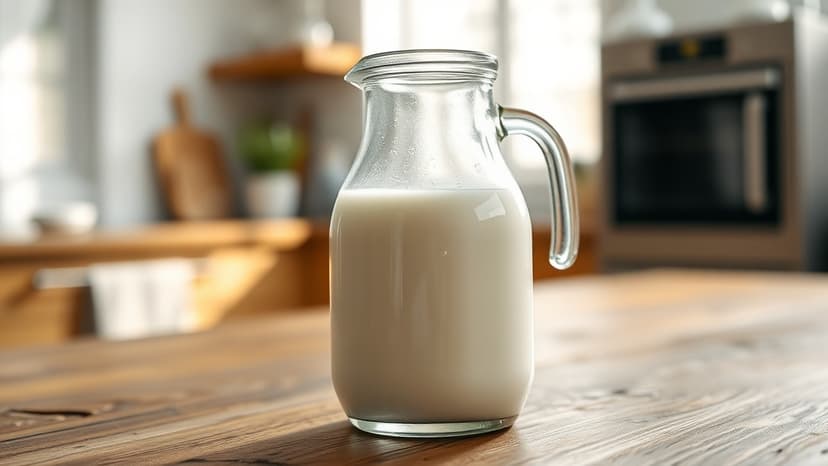
Influencers are promoting raw milk as a healthier, natural alternative, claiming it contains more nutrients and is easier to digest than pasteurized milk. However, food safety experts and registered dietitians are urging caution.
Experts like Zachary Cartwright and Sam Martin state that while pasteurization might slightly reduce heat-sensitive vitamins, milk is not a primary source of these. They confirm that protein, fat, and mineral content remain largely unchanged by pasteurization. Contrary to popular belief, raw milk does not offer significant advantages for allergies or lactose intolerance.
The primary concern with raw milk is its potential contamination with harmful bacteria such as Campylobacter, E. coli, Listeria, and Salmonella, which can cause severe food poisoning. These pathogens can lead to serious health issues, including HUS, kidney failure, and even death, particularly for pregnant individuals, children, the elderly, and those with weakened immune systems.
Pasteurization involves heating milk to specific temperatures (e.g., 145°F for 30 minutes in batch pasteurization, or 161°F for 15 seconds in HTST) to destroy harmful bacteria. This process ensures milk remains safe and nutrient-dense without compromising its health benefits.
The sale of raw milk is permitted in some U.S. states due to the FDA's limited jurisdiction over intrastate commerce, often requiring strict labeling. However, experts universally advise against consuming raw milk due to the significant health risks involved.