Home / Health / Stroke Strikes with Rare Symptom: Inability to Read
Stroke Strikes with Rare Symptom: Inability to Read
13 Feb
Summary
- Gordon Robb survived a stroke with only one unusual symptom: inability to read.
- He experienced difficulty understanding written words, unlike common stroke signs.
- A clinical trial is testing drugs to prevent future strokes in similar patients.
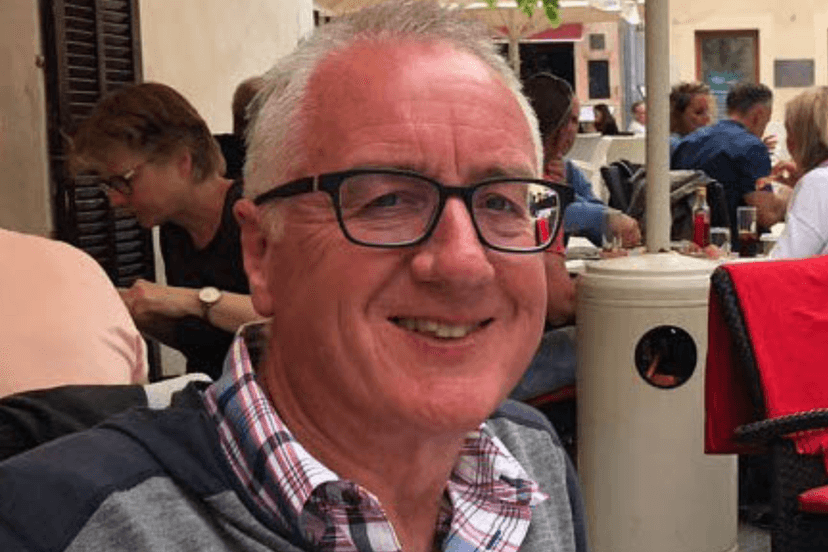
Gordon Robb, a 63-year-old man from Midlothian, Scotland, survived a hemorrhagic stroke that presented with an uncommon symptom: the sudden inability to comprehend written text. While the widely recognized FAST acronym (Face, Arms, Speech, Time) outlines typical stroke indicators, Robb experienced none of these, initially mistaking his symptom for fatigue. His condition was only identified when his cousin insisted he go to the hospital after he could not understand text messages.
A hemorrhagic stroke, caused by bleeding in the brain, accounts for about 15 percent of all strokes. Robb, who had previously climbed to Mount Everest's base camp, felt fortunate to have experienced only this singular, unusual symptom. Student doctors noted that diagnosing his stroke would have been challenging without his reported symptom.
Robb is now participating in the ASPIRING clinical trial, led by University of Edinburgh researchers. This study evaluates whether clopidogrel or aspirin, drugs that reduce blood clotting, can prevent future strokes, heart attacks, and early deaths in those who have had a hemorrhagic stroke. This research is crucial as approximately one in ten hemorrhagic stroke survivors face significant clotting or bleeding issues annually.
Professor Rustam Al-Shahi Salman, a study author, expressed relief that their prior research indicated these medications are safe after a hemorrhagic stroke, addressing concerns about increased bleeding risk. The ASPIRING study aims to gather further evidence to confirm if these drugs can reduce the risk of future cardiovascular events for individuals like Gordon Robb.
Participating in the trial offers Robb reassurance about potentially reducing his risk of another stroke. He also recognizes the value of his involvement in improving future treatments and potentially easing the burden on healthcare systems. The British Heart Foundation supports such trials, emphasizing the importance of seeking medical help for any unusual symptom, however strange, as every minute is critical during a potential stroke.