Home / Health / Hypertension's Hidden History: An Indian Herb's Global Impact
Hypertension's Hidden History: An Indian Herb's Global Impact
4 May
Summary
- Hypertension was once seen as an inevitable part of aging, not a treatable disease.
- Ram Nath Chopra identified Sarpagandha roots as a treatment for high blood pressure.
- Reserpine, derived from Sarpagandha, became the world's first effective hypertension drug.
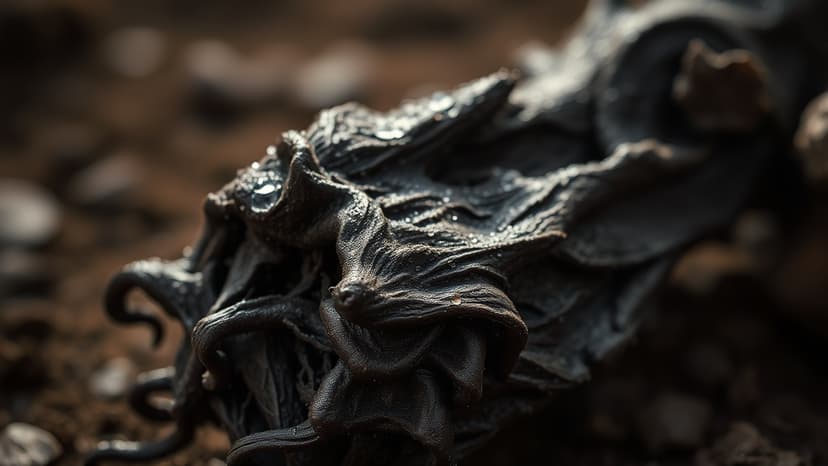
For centuries, hypertension was viewed not as a disease, but as an unavoidable aspect of aging. Western medical practices offered little beyond lifestyle advice and mild sedatives. This perspective began to shift significantly in the 1940s.
Long before this Western recognition, Indian traditional medicine utilized Sarpagandha roots to address various ailments. Ram Nath Chopra, revered as the father of Indian pharmacology, pioneered research into this herb's potential. His work provided crucial evidence that Sarpagandha could effectively reduce blood pressure.
Building upon Chopra's foundational research and subsequent clinical trials by Indian doctors, the Swiss pharmaceutical company Ciba undertook further investigation. They successfully isolated the key alkaloid responsible for the plant's hypotensive properties. This discovery culminated in the development of Reserpine, the world's first pharmaceutical specifically designed to treat and control hypertension.


