Home / Health / Ragi: India's Forgotten Grain Packed With Power
Ragi: India's Forgotten Grain Packed With Power
16 Dec, 2025
Summary
- Ragi boasts exceptional calcium, exceeding rice and wheat significantly.
- Its high fiber and low glycemic index aid blood sugar management.
- Ragi is a sustainable, climate-resilient crop requiring minimal water.
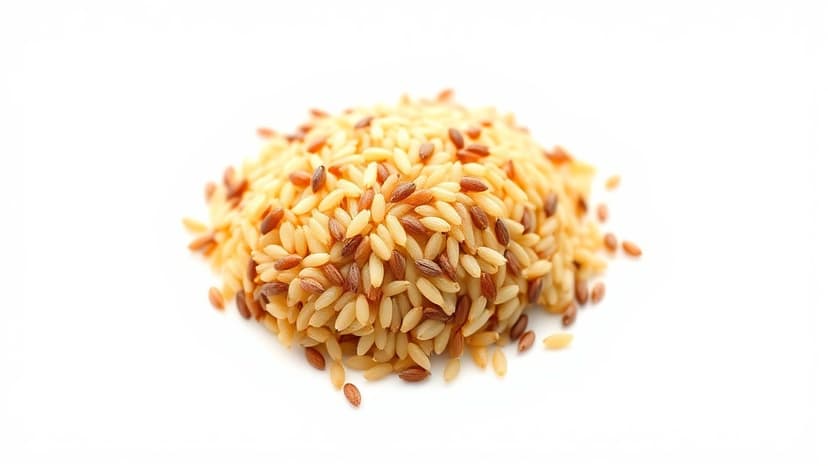
Ragi, also known as finger millet, is re-emerging as a vital grain in India, lauded for its exceptional nutritional depth. This humble millet is a powerhouse of calcium, fiber, and essential amino acids, offering a wealth of health advantages that have been overlooked for too long. Its resurgence is supported by government initiatives and a growing awareness of its health-promoting properties.
The health benefits of daily ragi consumption are extensive. It significantly boosts brain development in children due to its iron and antioxidant content, supports robust bone health with its high natural calcium, and aids in managing blood sugar levels due to its low glycemic index and high fiber. Additionally, ragi promotes excellent gut health, acting as a prebiotic for beneficial gut bacteria and retaining its fiber content even after processing.
Beyond personal health, ragi stands out as a sustainable and climate-resilient crop, requiring less water than rice or wheat and thriving in drought-prone regions. This makes it a crucial grain for ensuring food security in the face of a changing climate. As India emphasizes healthier and more sustainable food choices, ragi offers a nourishing solution for both people and the planet.