Home / Health / Heatwave Hits Pune: Doctors Warn of Dehydration Dangers
Heatwave Hits Pune: Doctors Warn of Dehydration Dangers
17 Feb
Summary
- Rising temperatures cause dehydration, leading to fatigue and fluctuating sugar levels.
- Diabetic individuals are at higher risk for heat-related complications.
- Precautions are vital for gig workers to prevent heat stroke.
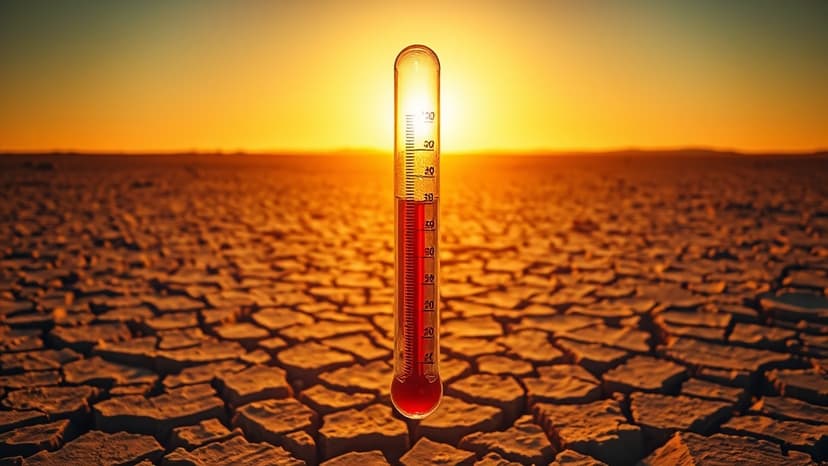
Pune is experiencing an early rise in daytime temperatures, leading to a notable increase in patients presenting with dehydration symptoms such as fatigue and fluctuating blood sugar levels. Doctors are advising heightened vigilance, particularly for individuals managing diabetes, to ensure consistent hydration, especially when spending extended periods outdoors.
The current heatwave poses significant health risks. Excessive sweating due to high temperatures can cause dehydration, manifesting as dry mouth, dizziness, and dark urine. In more severe cases, heat exhaustion can develop, with symptoms including heavy sweating and nausea. A critical concern is heat stroke, a medical emergency characterized by a body temperature exceeding 40°C (104°F), confusion, and a rapid pulse.
Individuals with diabetes are at increased risk as high temperatures can elevate blood sugar levels and interfere with insulin effectiveness. Dehydration exacerbates these issues, making glucose control more challenging. Furthermore, extreme heat can stress the cardiovascular and cerebrovascular systems, potentially leading to high blood pressure and increasing the risk of blood clots and stroke. Patients on diabetes medication that increases urinary sugar loss may also face a higher risk of urinary tract infections.
Experts emphasize that heat stress can also impact insulin pens, reducing their potency and causing blood sugar fluctuations. They recommend frequent blood sugar monitoring on hot days, regular sips of water even without thirst, and avoiding peak afternoon sun. Ignoring heat-related risks can lead to severe consequences, including fainting, significant sugar swings, ketoacidosis, cardiac strain, and heat stroke.