feedzop-word-mark-logo
searchLogin
Feedzop
homeFor YouIndiaIndia
You
bookmarksYour BookmarkshashtagYour Topics
Trending
Terms of UsePrivacy PolicyAboutJobsPartner With Us

© 2026 Advergame Technologies Pvt. Ltd. ("ATPL"). Gamezop ® & Quizzop ® are registered trademarks of ATPL.

Gamezop is a plug-and-play gaming platform that any app or website can integrate to bring casual gaming for its users. Gamezop also operates Quizzop, a quizzing platform, that digital products can add as a trivia section.

Over 5,000 products from more than 70 countries have integrated Gamezop and Quizzop. These include Amazon, Samsung Internet, Snap, Tata Play, AccuWeather, Paytm, Gulf News, and Branch.

Games and trivia increase user engagement significantly within all kinds of apps and websites, besides opening a new stream of advertising revenue. Gamezop and Quizzop take 30 minutes to integrate and can be used for free: both by the products integrating them and end users

Increase ad revenue and engagement on your app / website with games, quizzes, astrology, and cricket content. Visit: business.gamezop.com

Property Code: 5571

Home / Health / Psychiatric disorders share common genes

Psychiatric disorders share common genes

16 Jan

•

Summary

  • Many psychiatric conditions may stem from similar genes.
  • Study analyzed over 1 million psychiatric patient records.
  • Genes link disorders like bipolar and schizophrenia.
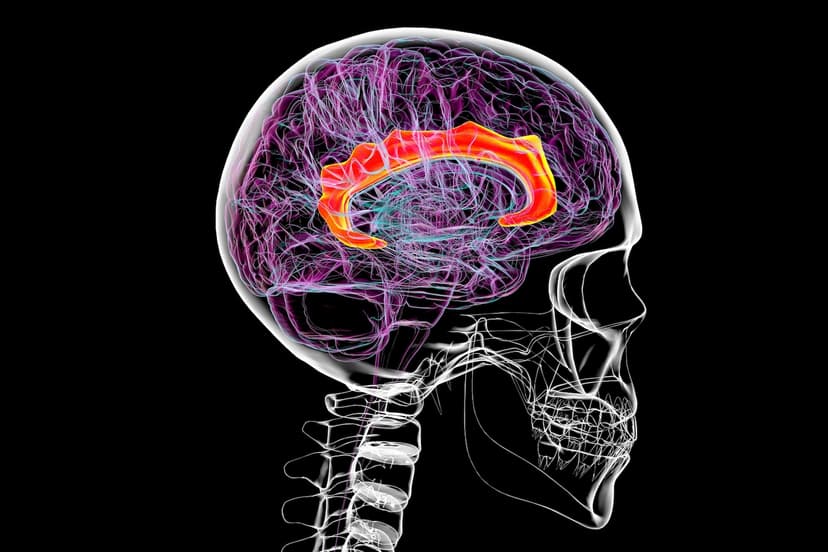
Psychiatric disorders share common genes

A major international study published in Nature proposes that many psychiatric disorders, previously categorized separately, share common genetic underpinnings. Researchers analyzed data from over 1 million individuals diagnosed with 14 psychiatric conditions, identifying five essential genetic categories. These findings suggest a biological relationship between conditions like depression, anxiety, autism, and schizophrenia, which could revolutionize treatment approaches.

The research highlights genetic similarities, particularly between bipolar disorder and schizophrenia, which share approximately 70 percent of the same genetic drivers. This biological insight could explain why certain treatments are effective across different diagnoses. Scientists identified 238 genetic variants linked to these disorders, with a notable cluster on Chromosome 11 implicated in eight of the conditions.

While experts anticipate significant changes in psychiatric diagnosis and treatment, including potential revisions to the Diagnostic Statistical Manual of Mental Disorders, practical applications are still developing. The study's authors acknowledge limitations, particularly the predominance of European ancestry in genetic datasets, and are working to expand diversity for a more comprehensive understanding of mental illness biology.

Disclaimer: This story has been auto-aggregated and auto-summarised by a computer program. This story has not been edited or created by the Feedzop team.
The study suggests many psychiatric disorders share common genes and biological roots, challenging traditional distinct classifications.
Researchers discovered that bipolar disorder and schizophrenia share about 70 percent of the same genetic drivers.
Yes, by understanding shared biology, researchers hope to develop new therapies and simplify diagnoses for patients.

Read more news on

Healthside-arrow
trending

Vande Bharat Sleeper Express begins

trending

EPF UPI withdrawals from April

trending

JEE Mains admit card soon

trending

Gold, silver rates hit high

trending

Andreeva, Mboko in Adelaide final

trending

Ravi Bishnoi replaces Sundar

trending

Hyderabad balloon festival begins

trending

Lucknow weather: Cold, dense fog

trending

Lens rivals PSG in Ligue

You may also like

David Harbour: Therapy Saved Me From Manic Episodes

15 Jan • 9 reads

article image

Genes Link Minds: Shared Roots for Mental Health

4 Jan • 110 reads

article image

Mind Matters: More Americans Focus on Mental Health

5 Jan • 59 reads

US Mental Health Plummets: Experts See Silver Lining

18 Dec, 2025 • 126 reads

Mid-life Nerves? Dementia Risk May Be Near

16 Dec, 2025 • 147 reads

article image