Home / Health / Psychedelics: New Frontier in Mental Health Therapy
Psychedelics: New Frontier in Mental Health Therapy
27 Jul
Summary
- Psychedelics like LSD and MDMA show promise for treating depression and anxiety.
- These substances disrupt neural patterns, creating new pathways for healing.
- Research aims to understand if altered states are crucial for therapeutic benefits.
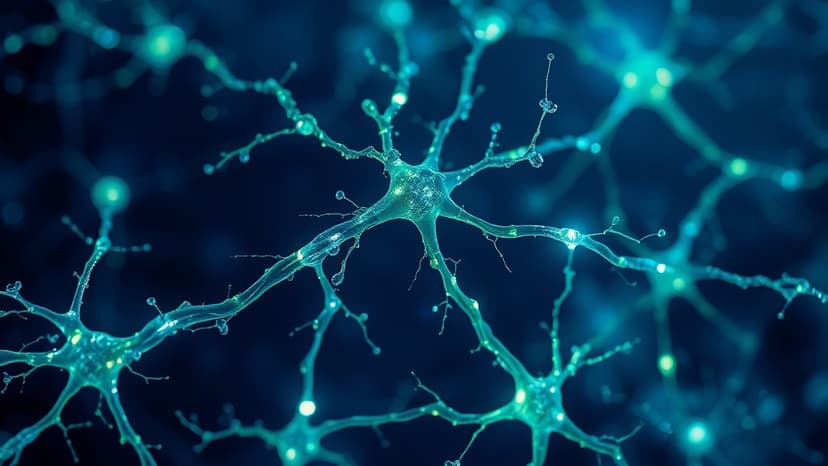
Research into psychedelic medicine is paving the way for innovative treatments for a range of mental health challenges. Professor Whitney Marris highlighted that substances such as LSD, MDMA, and ketamine are showing significant potential in addressing conditions including depression, anxiety, addiction, and trauma.
These psychedelics work by disrupting established neural connectivity patterns, thereby opening up new possibilities for cognitive flexibility and emotional processing. This neuroplasticity, or the brain's ability to learn and adapt, can be induced for varying durations, with LSD creating an "open window" of three weeks and ketamine offering two to three days.
Researchers are actively exploring whether the psychedelic "trip" or altered state of consciousness is essential for these therapeutic outcomes. The goal is to encourage new ways of thinking and processing life events, ultimately fostering personal growth and positive social contributions. This process is described not as creating something new, but as remembering and excavating existing inner truths.
Furthermore, the concept of "ego death," a dissolution of self-identity and beliefs, can facilitate a connection with one's authentic self and bring suppressed emotions to the surface. Mystical experiences, characterized by transcendence and profound meaning, also contribute to enhanced neural connections and shape self-identity. The D.C.-Maryland-Virginia area is noted as a model for psychedelics, with legislative steps towards decriminalization and legalization aimed at ensuring drug quality.


