Home / Health / Fast MRI Scans: New Prostate Cancer Screening Hope
Fast MRI Scans: New Prostate Cancer Screening Hope
12 Mar
Summary
- Experts recommend rapid MRI scans under 15 minutes for screening.
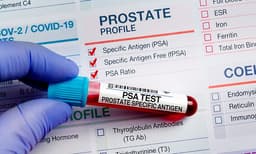
- PSA tests should precede MRI to identify high-risk men.
- New recommendations aim to reduce overdiagnosis and unnecessary biopsies.

International experts have put forth new recommendations for prostate cancer screening, emphasizing the use of rapid Magnetic Resonance Imaging (MRI) scans. A consensus statement developed by 21 urologists, radiologists, and pathologists from Europe and the US aims to enhance the identification of harmful prostate cancers while minimizing overdiagnosis and unnecessary biopsies.
The core recommendation involves performing quick MRI scans, ideally under 15 minutes, for men aged between 50 and 70. For Black men, who are at higher risk, screening should commence from age 45. Prostate-specific antigen (PSA) tests are advised to precede MRIs, helping to identify individuals most likely to benefit from further investigation.
These proposed guidelines, originating from research by Imperial College London, are intended to standardize protocols for population-level screening. They will inform trials like the Transform trial by Prostate Cancer UK, which is evaluating combined screening techniques including PSA, genetic tests, and rapid MRI scans.
Separate research presented alongside these findings indicates that a risk-based approach, incorporating methods like digital rectal examinations and ultrasounds after a PSA test, can significantly reduce unnecessary MRI referrals. This approach helps ensure that only men with a higher likelihood of having prostate cancer undergo the scans, improving efficiency and access to timely diagnosis.
These developments come as the UK National Screening Committee is expected to release its final recommendations on population-wide prostate cancer screening. Previous draft recommendations had expressed caution regarding routine PSA testing due to concerns about potential harm outweighing benefits.