Home / Health / Pregnancy Gallstones: A Hidden Risk Revealed
Pregnancy Gallstones: A Hidden Risk Revealed
26 Feb
Summary
- Pregnancy hormones can slow bile flow, increasing gallstone risk.
- Gallstones can cause sharp upper abdominal pain, nausea, and vomiting.
- Surgery for gallstones during pregnancy is safest in the second trimester.
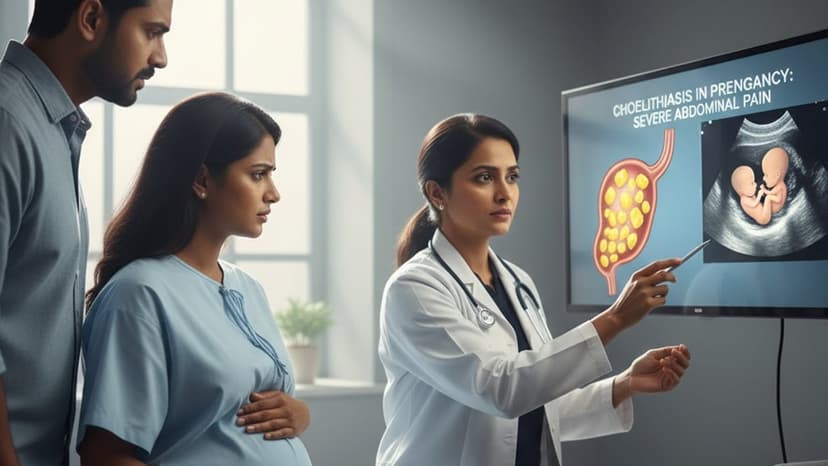
Gallbladder stones, also known as cholelithiasis, are a significant concern during pregnancy and the postpartum period, with 8-12% of pregnant women developing them. Hormonal shifts, including elevated estrogen and progesterone, slow gallbladder emptying and alter bile composition, creating an environment conducive to stone formation. This can result in symptoms like sharp upper abdominal pain, nausea, and vomiting, often intensifying after childbirth.
While many gallstones remain asymptomatic, some require medical attention. Doctors recommend dietary changes, such as smaller, low-fat meals, and adequate hydration for mild symptoms. If surgery becomes necessary due to recurrent attacks or complications, the second trimester is considered the safest period. Laparoscopic cholecystectomy, gallbladder removal, is the preferred surgical method, with most patients recovering fully and leading healthy lives without the organ.
Prompt diagnosis through ultrasound and careful monitoring are vital. Coordinated care between obstetricians and surgeons ensures maternal and fetal well-being. Ignoring persistent abdominal pain during or after pregnancy can lead to serious complications. If left untreated during the first pregnancy, there's a 30-40% chance of recurrence in future pregnancies.