Home / Health / Deadly Tick Virus Spreading Faster Than Lyme
Deadly Tick Virus Spreading Faster Than Lyme
30 Jun
Summary
- Powassan virus transmits in as little as 15 minutes after a tick bite.
- Cases reached historic highs with 76 diagnoses in 2025.
- No specific treatments or vaccines are available for Powassan virus.
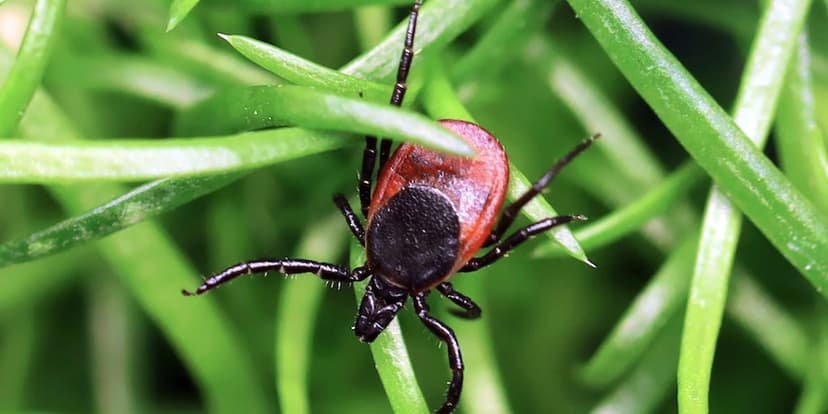
A rare and potentially fatal disease, known as the Powassan virus, is experiencing an unprecedented increase in the United States. First identified in 1958, this tick-borne illness has seen cases reach historic highs, with 76 Americans diagnosed in 2025 alone. This number represents a dramatic escalation from the average of seven to eight diagnoses per year.
The Powassan virus is transmitted through the bite of infected deer ticks or woodchuck ticks. Public health experts highlight its rapid transmission, noting it can transfer to humans in as little as 15 minutes after an infected tick bite. This is considerably faster than Lyme disease, which typically requires a much longer attachment period.
Symptoms, which manifest within one to four weeks, can include fever, headache, vomiting, and weakness. In severe instances, the virus can lead to serious neurological conditions such as encephalitis and meningitis. Approximately 10% of severe cases are fatal, and many survivors face long-term neurological issues.
Currently, there are no specific medications or vaccines to treat or prevent Powassan virus. Care is limited to supportive therapy. Individuals at higher risk include the elderly, young children, and those with compromised immune systems. The prevalence of Powassan virus typically peaks from late spring through mid-fall.


