Home / Health / Deadly Kratom Derivatives Confirmed Near Student Deaths
Deadly Kratom Derivatives Confirmed Near Student Deaths
3 Oct
Summary
- Three potent kratom derivatives, two banned by US DOJ, found near deceased students.
- Substances are concentrated, semisynthetic compounds, not natural kratom herb.
- Authorities concerned about accessibility and opioid-like effects of these derivatives.
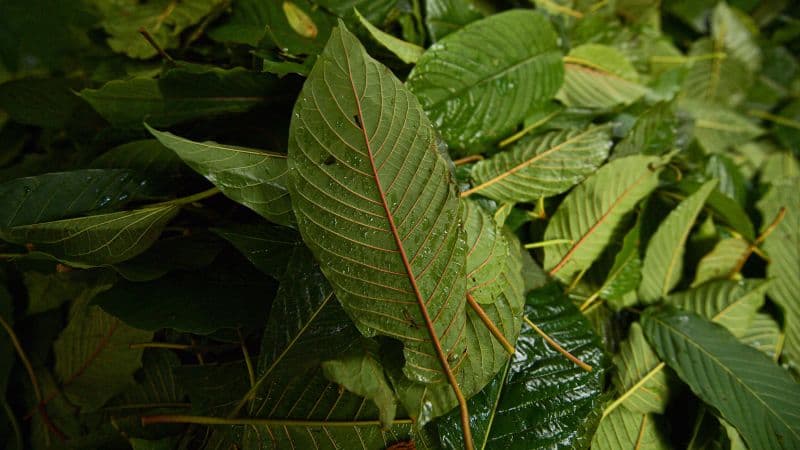
Three potent, semisynthetic kratom-related compounds were found near two University of Mississippi students who died on September 21, 2026. These substances, MGM-15 and mitragynine pseudoindoxyl, are concentrated derivatives and have been classified as Schedule I controlled substances by the US Department of Justice, effectively banning them for two years. This emergency ban highlights growing concerns over the safety and accessibility of such kratom products.
The discovered compounds are not natural kratom, an herb native to Southeast Asia. Instead, they are potent, lab-altered derivatives that mimic the effects of opioids. Scientists at the National Institute on Drug Abuse are particularly worried about how easily these substances are obtained. The US Drug Enforcement Administration's emergency scheduling of two of these compounds underscores their potential for abuse and lack of accepted medical use.
While autopsies and toxicology reports are still pending to confirm the cause of the students' deaths, evidence suggests a link to these dangerous derivatives. Reports of poisonings, addictions, and deaths associated with kratom and its semisynthetic forms have been on the rise. These potent compounds bind to the brain's mu opioid receptors, similar to heroin or fentanyl, increasing risks of dependency and overdose.
Natural kratom has been available in the US since 1990, but these unregulated semisynthetic versions have appeared more recently, posing amplified risks due to their concentrated nature. Their effects can include severe withdrawal syndromes, similar to those seen with potent opioids. Several states, including Florida, Ohio, Kentucky, and California, have already taken steps to ban or restrict these compounds. The US FDA notes that kratom is not lawfully marketed as a drug or supplement in the US.


