Home / Health / Inflammation Links Tooth Decay to Heart Health
Inflammation Links Tooth Decay to Heart Health
21 Jan
Summary
- Tooth plaque is bacteria, food, and saliva; arterial plaque is cholesterol and fat.
- Both plaque types are linked by inflammation and bacteria in the bloodstream.
- Good dental hygiene can reduce body inflammation, benefiting heart health.
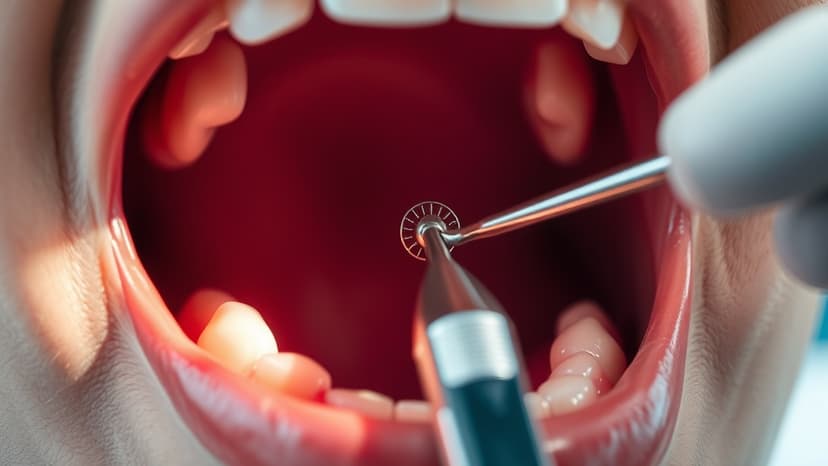
The word 'plaque' is often used to describe two very different conditions: dental plaque and arterial plaque. Dental plaque is a sticky film composed of bacteria, food particles, and saliva that adheres to teeth. If untreated, it can harden into tartar, leading to gum disease and tooth decay.
In contrast, arterial plaque builds up within blood vessel walls. It primarily consists of cholesterol, fat, calcium, and inflammatory substances, a process known as atherosclerosis. This narrowing of arteries restricts blood flow, increasing the risk of heart attack and stroke.
While these plaques are materially different, experts highlight a significant connection through inflammation. Chronic gum disease can cause bacteria to enter the bloodstream, promoting systemic inflammation that contributes to the development of arterial plaque. Therefore, practicing good oral hygiene is essential not only for dental health but also for reducing the inflammatory load on the body and protecting cardiovascular health.