


Home / Health / Pink Noise May Harm Baby Sleep, Study Warns
Pink Noise May Harm Baby Sleep, Study Warns
7 Apr
Summary
- New research suggests pink noise may reduce deep and REM sleep.
- Infants spend more time in REM sleep, crucial for brain development.
- Experts caution against high volumes and recommend placement away from cribs.
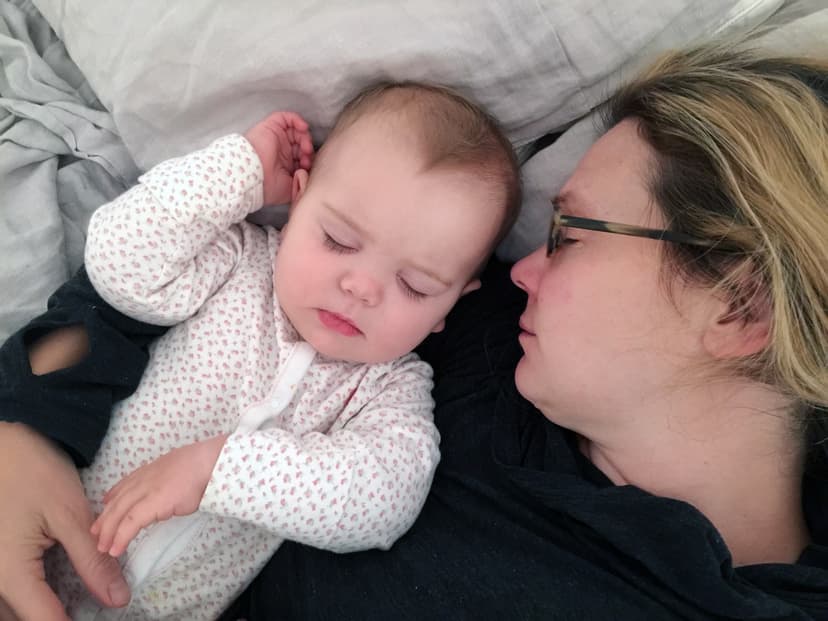
Recent research from the University of Pennsylvania suggests that pink noise machines, often used by parents to help infants sleep, may negatively impact sleep quality. The study, conducted on adults, found that exposure to pink noise was associated with reduced deep sleep and REM sleep stages, which are critical for learning and brain development.
Researchers caution that these findings could be particularly relevant for babies and young children, who spend a larger proportion of their sleep in REM. Concerns have been raised about potential effects on hearing and sound processing in young children. While pink noise may offer minor benefits in masking environmental noise, the reduction in REM sleep is a significant concern.
Experts emphasize that white noise machines, while popular, should be used cautiously. The American Academy of Pediatrics recommends placing sound machines at least 7 feet away from a baby's crib to prevent potential hearing damage. Prioritizing noise reduction at the source, such as improving room insulation, is considered a more effective solution.
The article also touches upon infant sleep patterns, including sleep regressions and the process of sleep training. It notes that while there's no definitive age for sleeping through the night, consistent routines and proper sleep hygiene are paramount during developmental phases. Further research is needed to fully understand the effects of sound machines on infant sleep.
