Home / Health / Paracetamol: Household Staple or Hidden Danger?
Paracetamol: Household Staple or Hidden Danger?
28 Feb
Summary
- Paracetamol's exact working mechanism in the body remains debated by scientists.
- Branded and generic paracetamol tablets offer identical active ingredients.
- Overuse headaches can occur from regular paracetamol consumption.

Paracetamol has been a staple painkiller in the UK since its introduction in 1956, with an estimated 200 million packets sold annually. Despite its widespread use for various ailments, scientists still debate its exact mechanism of action within the body. It is understood to primarily affect the brain and spinal cord by dampening pain and temperature regulation signals, though its precise working remains unclear.
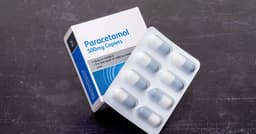
Contrary to popular belief, standard 500mg paracetamol tablets, whether branded or generic, contain identical active ingredients. Differences in price are often attributed to packaging and marketing rather than formulation. While effective for pain and fever, concerns exist about its overuse, including the risk of analgesic overuse headaches, particularly if taken pre-emptively.
The drug is generally safe at recommended doses but is a leading cause of overdose-related hospital admissions in the UK due to its potential for severe liver damage. Regulations limit over-the-counter sales to prevent stockpiling and reduce overdose risks. Cold and flu remedies often contain paracetamol, but experts suggest regular paracetamol is usually more effective and safer than combination products with decongestants.
Recent research has found no evidence that paracetamol use during pregnancy causes harm when taken as directed, with major health bodies recommending it as the safest option for pain relief when used appropriately.