Home / Health / Pakistan Women: Fear Blocks Access to Life-Saving Care
Pakistan Women: Fear Blocks Access to Life-Saving Care
9 Jan
Summary
- Documentation, marginalization, and gender systematically exclude women from services.
- Women fear mistreatment and humiliation more than clinical risks of home births.
- Administrative hurdles, including lack of ID, deter women from seeking care.
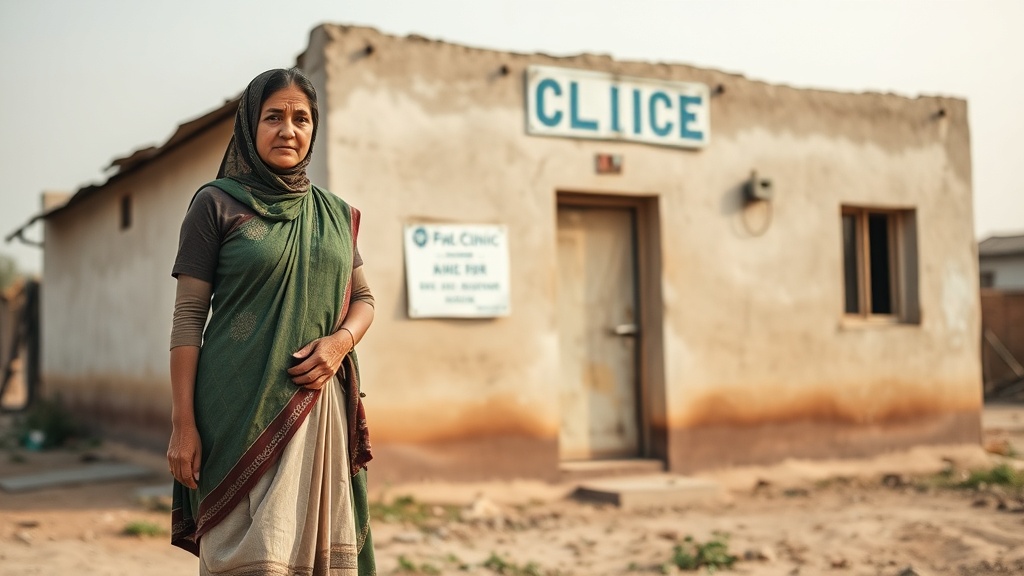
Women in Pakistan face profound barriers to accessing essential healthcare, extending beyond poverty to encompass issues of documentation, marginalization, and gender. A decade of work in informal settlements reveals how the absence of identity documents and restrictive social norms systematically exclude women from public services. Insights from community maternity homes indicate that avoidance of healthcare stems from fear, administrative exclusion, and the significant costs associated with navigating systems not designed for women's needs.
Home births, often dismissed as uninformed choices, are frequently a rational decision driven by the fear of mistreatment within formal health facilities. Women report harsh treatment, judgment, and humiliation, particularly in male-dominated public hospitals, which act as stronger deterrents than the clinical risks of delivering at home. Even when services are free, the cumulative costs of travel, repeated visits, and lost wages make seeking institutional care a substantial burden for low-income families.
Documentation, particularly the lack of national identity cards (CNICs) or marriage certificates, presents a decisive barrier. Front-line staff often demand these papers, leading to delays or outright refusal of care for undocumented women. These administrative hurdles are deeply gendered, as women are more likely to lack documentation and depend on male relatives for its acquisition. This vulnerability is amplified in maternity settings, where the fear of refusal, reporting, or public shame intensifies.