Home / Health / Pakistan Mental Health Crisis: 1 in 3 Adults Affected
Pakistan Mental Health Crisis: 1 in 3 Adults Affected
22 Nov
Summary
- One in three Pakistani adults currently has a mental disorder.
- PTSD affects nearly 20% of adults, linked to instability.
- Few specialists and stigma hinder mental healthcare access.
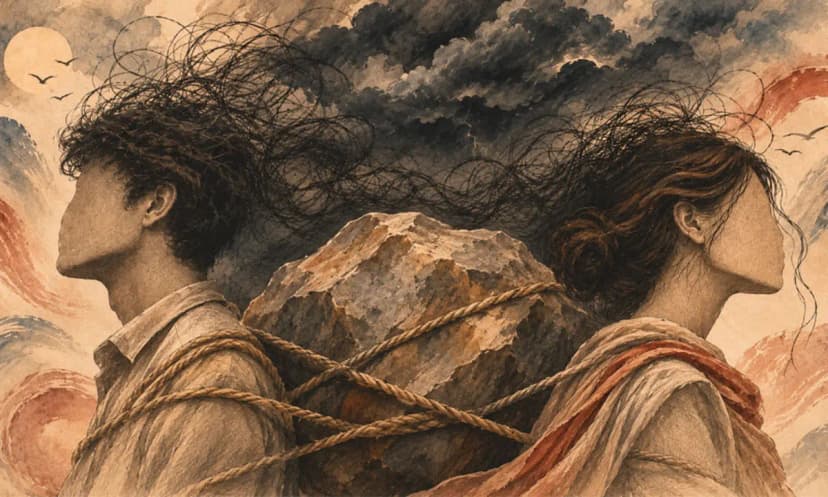
A groundbreaking nationwide survey in Pakistan has uncovered a significant mental health burden, with nearly one in three adults currently experiencing a diagnosable mental or behavioural disorder. The study, published in BMJ Public Health, highlights that approximately 32.3% of adults are affected now, while 37.9% have experienced a disorder in their lifetime.
Neurotic, stress-related disorders are most prevalent at 24.5%, with Post-Traumatic Stress Disorder (PTSD) affecting a striking 19.9% of adults. Depressive disorders impact 10.6% currently, with higher prevalence seen in adults over 40, divorced individuals, and homemakers.
The study also identified concerning rates of suicidal thoughts (6.2%) and attempts (1.1%), though these figures are believed to be underreported due to societal stigma. Moderate functional disability is associated with these disorders, affecting work, family, and social life.
Challenges persist in translating these findings into action, primarily due to a scarcity of mental health specialists—about 0.19 per 100,000 people—and deeply ingrained stigma. The mental health of children and the transgender community also remains critically under-addressed, with limited access to culturally sensitive care and resources.
Addressing this crisis requires sustained public investment, accessible and affordable treatment, enhanced research, and a fundamental societal shift in understanding psychological distress. Telehealth offers a potential solution to bridge gaps in remote areas, but significant policy changes and dedicated budgets are crucial for meaningful progress.


