Home / Health / Ozempic: Miracle Cure or Long-Term Mystery?
Ozempic: Miracle Cure or Long-Term Mystery?
27 Feb
Summary
- GLP-1 drugs mimic hormones to reduce appetite and promote fullness.
- Long-term effects and side effects of these medications are largely unknown.
- Weight loss is typically maintained only with continuous medication use.
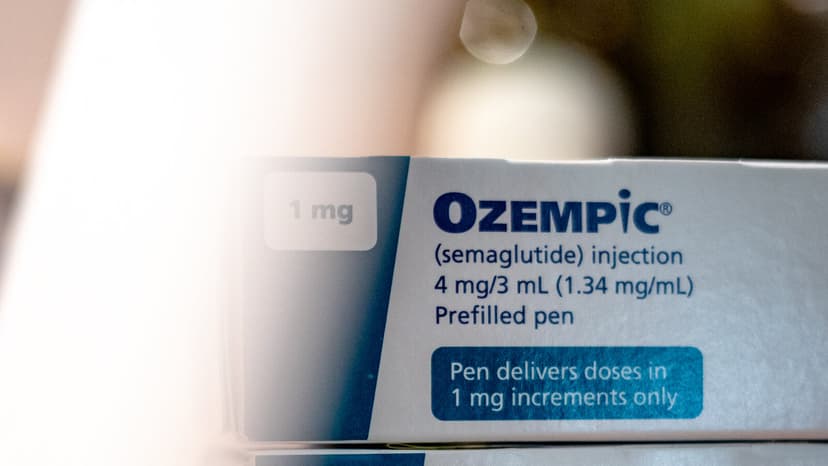
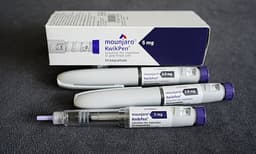
New GLP-1 receptor agonist medications, including Ozempic and Wegovy, are generating significant attention for their weight-loss capabilities. These drugs function by mimicking natural hormones that reduce appetite and prolong feelings of fullness, aiding individuals where diet and exercise have been insufficient.
However, comprehensive data on the long-term consequences of these powerful medications remains scarce. While short-term side effects like nausea and stomach pain are well-documented, the full range of potential health issues, including risks to kidneys or the gallbladder, is not yet fully understood.
Experts emphasize that continuous use is generally required to sustain weight loss, comparing these drugs to statins in their long-term necessity. Research also suggests potential benefits for various health conditions, though the underlying mechanisms are still being explored.
Beyond direct health impacts, these drugs are influencing various industries, with companies developing products to address concerns about muscle loss. While they could potentially reduce healthcare costs by managing obesity-related conditions, their high price point presents a significant barrier.