


Home / Health / One Health: From Sci-Fi to Global Reality
One Health: From Sci-Fi to Global Reality
7 Apr
Summary
- The film Outbreak mirrored future pandemic threats from zoonotic viruses.
- One Health recognizes interconnectedness of human, animal, and environmental health.
- The WHO Pandemic Agreement aims for global preparedness and equitable access.
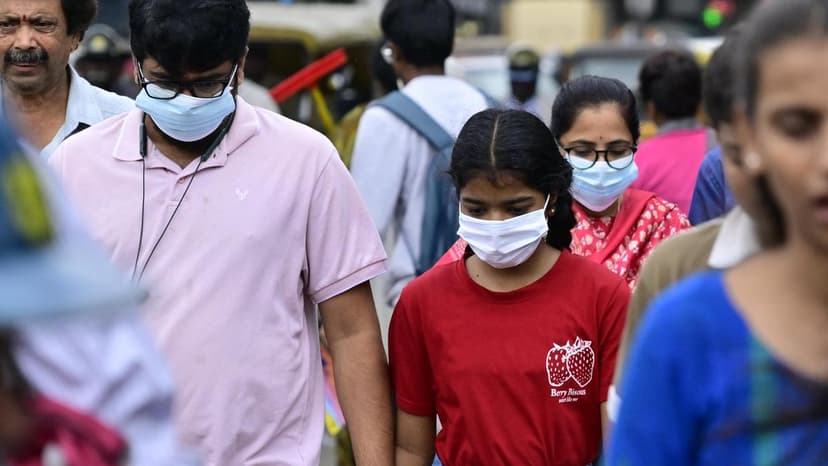
The 1995 film "Outbreak" fictionalized the threat of a zoonotic virus, resonating with the realities of the COVID-19 pandemic nearly a quarter-century later. This early depiction highlighted the interconnectedness of human, animal, and environmental health, a concept now formally recognized as One Health.
Originally coined around 2003-2004, the One Health approach gained significant traction following the emergence of SARS and H5N1 avian influenza. The "Manhattan Principles" in 2004 underscored the link between human and animal health and the risks posed by emerging diseases.
Today, One Health is an integrated approach aiming to balance and optimize the health of people, animals, and ecosystems. The COVID-19 pandemic served as a catalyst, demonstrating the critical need for coordinated global responses and scientific collaboration, as exemplified by rapid vaccine development.
The World Health Organization Pandemic Agreement, adopted on May 20, 2025, is a legally binding treaty designed to bolster global pandemic prevention, preparedness, and response. It prioritizes equity and the rapid sharing of pathogen data and access to medical countermeasures.
Internationally, the Quadripartite collaboration (WHO, FAO, UNEP, WOAH) leads One Health efforts, launching the One Health Joint Plan of Action in October 2022. India has also accelerated its response by establishing the National One Health Mission to integrate health sectors and enhance preparedness.
Amidst growing evidence of climate change impacts on global health, initiatives like Odisha's Climate Budget and Tamil Nadu's Green Climate Company showcase state-led efforts. The ongoing One Health Summit in Lyon aims to foster dialogue and propose solutions for global health challenges, including AMR and pollution.
