Home / Health / Eyes Won't Stop Moving: The Hidden Struggle of Nystagmus
Eyes Won't Stop Moving: The Hidden Struggle of Nystagmus
11 Aug
Summary
- Nystagmus causes involuntary, rhythmic eye movements, affecting vision clarity.
- It impacts daily life, education, work, and independence for millions.
- Treatments include special lenses, surgery, and new therapies.
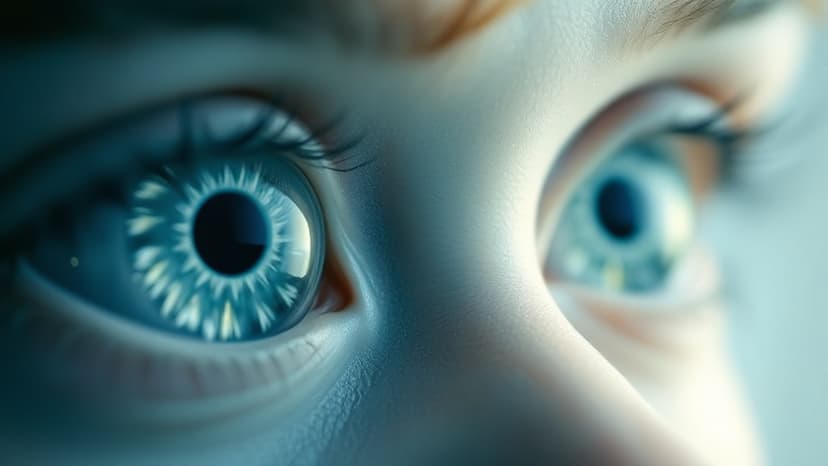
Nystagmus is a neurological condition characterized by involuntary, rhythmic eye movements that significantly impact an individual's vision and daily life. These movements can manifest as side-to-side, vertical, or rotating motions, making it difficult to focus and perceive a clear image. Affecting millions, this condition is often misunderstood and overlooked in various societal settings.
Broadly categorized into infantile and acquired nystagmus, the condition can stem from genetic factors, early visual development issues, or later-life neurological problems like strokes or multiple sclerosis. Diagnosis involves a multidisciplinary approach, including MRI scans and electrodiagnostic testing.
Individuals with nystagmus often develop compensatory behaviors, such as tilting their head to find a 'null point' where eye movements are minimized. The psychosocial impact is substantial, leading to misinterpretations of behavior in educational and professional environments and creating barriers to independence.
Treatment strategies are evolving, encompassing advanced optical solutions like specialized lenses and contact lenses, surgical procedures to adjust eye muscle tension, and innovative therapies including digital vision therapy and medications. The growing field of neuro-ophthalmology in India emphasizes the need for early detection and comprehensive support systems.


