Home / Health / Beyond Pills: Nutrition's Power Over Pain
Beyond Pills: Nutrition's Power Over Pain
13 Jul
Summary
- Chronic pain affects 20% of adults globally.
- Diet significantly impacts pain occurrence and management.
- Nutrition assessments are crucial for effective pain treatment.
Chronic pain, defined as pain lasting over three months, impacts roughly 20% of the global adult population. This persistent discomfort is closely linked to an individual's diet, with malnutrition and unhealthy eating habits exacerbating its presence, development, and overall prognosis. Nutrition is now a key focus in integrated pain management.
The origins of chronic pain are varied, stemming from conditions like arthritis, fibromyalgia, migraines, and neuropathic issues. Unhealthy dietary patterns can disrupt gut health and promote inflammation, while suboptimal nutrient intake, including deficiencies in Vitamin D or omega-3 fatty acids, is common among those with chronic pain.
Disturbances in glucose and lipid metabolism are also significant factors, particularly in conditions like diabetes and fibromyalgia. Excessive sugar intake fuels inflammation, while unhealthy fat consumption contributes to high cholesterol and increased pain sensitivity.
Obesity is a major risk factor, creating a pro-inflammatory state and mechanical stress that worsens pain. Therefore, weight management and dietary changes that reduce inflammation are essential.
A comprehensive biopsychosocial approach is needed for chronic pain, integrating assessments of lifestyle factors like diet. Early nutrition evaluations help identify malnutrition and comorbidities, guiding effective treatment.
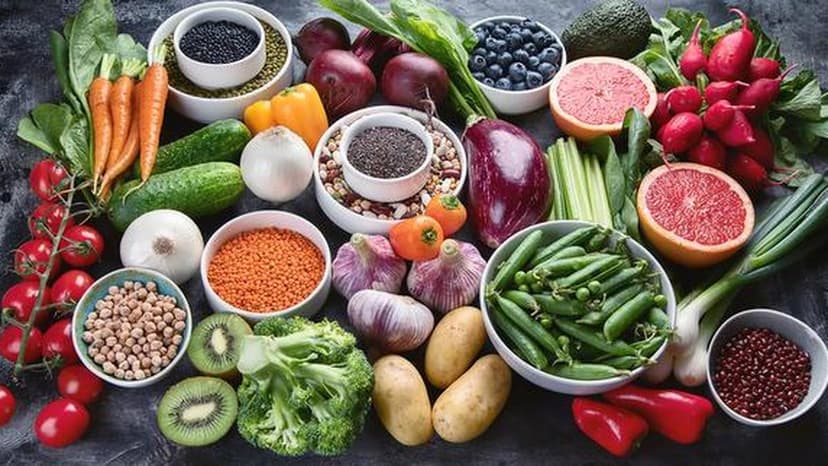
Dietary interventions focusing on nutrient-rich foods, such as protein and micronutrients like omega-3s and Vitamin D, can support tissue healing and modulate pain. Healthy eating patterns, like the Mediterranean or DASH diets, emphasizing fruits, vegetables, and lean proteins, are linked to reduced inflammation and improved pain outcomes.
Traditional Indian diets, rich in turmeric, ginger, and lentils, also offer protective health benefits. Rethinking food as a tool for pain resilience presents a hopeful perspective, suggesting the path to better pain management begins in the kitchen.


