Home / Health / Leprosy's Grip: A Doctor's Stark Diagnosis
Leprosy's Grip: A Doctor's Stark Diagnosis
30 Jan
Summary
- A 1960s Tamil Nadu leprosarium's harsh realities are depicted.
- Doctors diagnose leprosy through physical examination and symptom checks.
- A mother's deep emotional plea highlights societal stigma and fear.
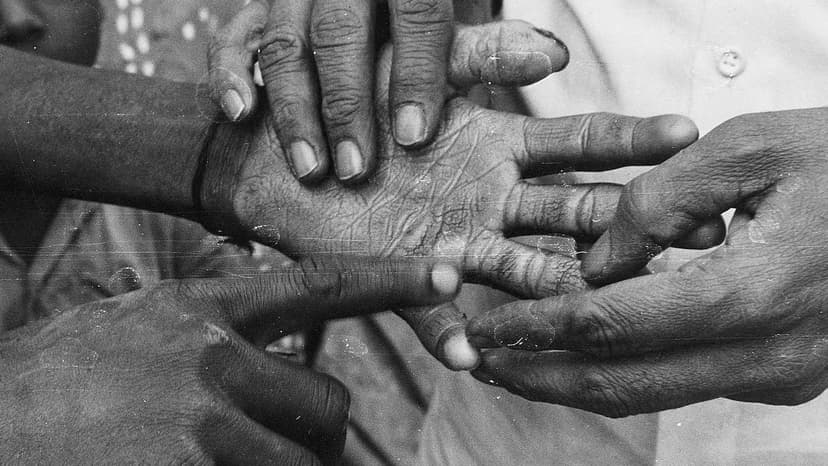
Imayam's novel, "Noiputtru," delves into the grim realities of a leprosarium in 1960s Tamil Nadu. It offers a rare perspective on leprosy within Tamil literature, highlighting the impoverishment and societal neglect faced by patients.
During a consultation on World Leprosy Day, a doctor diagnoses a young man, Chinnasami, with leprosy. The examination involves checking for sensory loss, physical changes like hair loss and ear thickening, and skin patches.
Chinnasami's mother, Veerammal, pleads for her son's cure, expressing deep distress over his condition and the societal stigma. She questions the cause, attributing it to curses and bad fate.
The doctor explains leprosy as a bacterial infection, emphasizing the importance of early treatment to prevent physical damage and erosion of fingers and toes.
He advises that while leprosy isn't highly contagious, prolonged close contact increases risk, and a vaccine is not yet available. The cost for basic care at the hospital is ten rupees per month.
Veerammal's unwavering devotion is evident as she prepares to pledge her life for her son's treatment. The narrative concludes with Chinnasami being admitted to the leprosarium for further care.