Home / Health / NIH Funds Foreign Labs with Major Safety Lapses
NIH Funds Foreign Labs with Major Safety Lapses
23 Nov
Summary
- Foreign labs received millions despite biosafety and containment failures.
- A bat virus experiment in Australia was halted due to containment breakdown.
- NIH oversight heavily relies on self-reporting from foreign facilities.
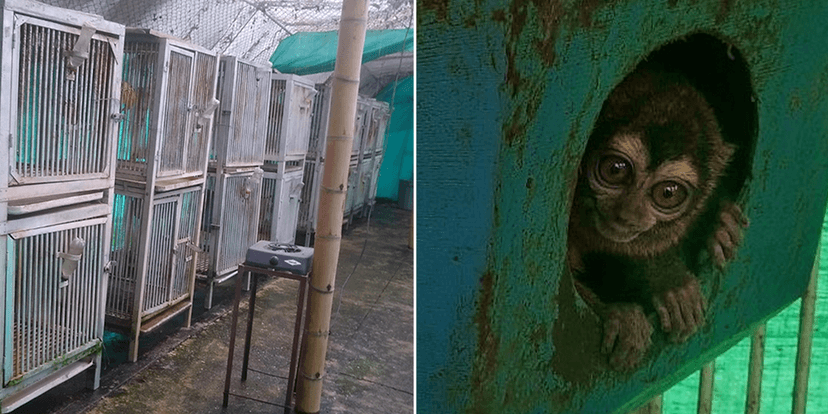
The National Institutes of Health (NIH) has provided millions in taxpayer funds to foreign animal research facilities that have allegedly experienced major biosafety and containment failures. Records indicate these facilities also had staffing vulnerabilities. One notable incident involved a bat virus experiment in Australia that was suspended due to animal containment breakdowns.
This experiment, focused on the Hendra virus, was halted after insufficient trained personnel and inadequate containment measures led to the euthanasia of bats. The NIH's Office of Laboratory Animal Welfare was reportedly informed of the suspension over 10 months after the event. Other NIH-funded research, such as primate studies in the UK, also faced federal reviews for safety procedure deficiencies.
Oversight of these international institutions is largely based on self-reporting and pre-announced virtual site visits, which allow facilities to control what monitors see. This system faces criticism for its lack of unannounced inspections and real-time record reviews. Out of 70 annual reports from 2023-2025, 67 reported zero violations, highlighting concerns about self-policing.
Further administrative failures include grants to institutions lacking required federal assurances for animal welfare. For example, a significant contract was outsourced to an institute without the necessary NIH Foreign Animal Welfare Assurance. Similar issues with missing assurance records were found for studies in Australia, Canada, Kenya, and Israel, involving various animal models.


