Home / Health / Night Owls Face Higher Heart Risk
Night Owls Face Higher Heart Risk
28 Jan
Summary
- Night owls experience a 16% higher risk of heart attack or stroke.
- Poor heart health linked to unhealthy behaviors like smoking and poor diet.
- Internal clock mismatch creates challenges for heart-healthy living.

New research indicates that individuals who identify as night owls may face increased risks for cardiovascular issues. A large-scale study tracking over 300,000 adults found that night owls had a 16% greater chance of experiencing a first heart attack or stroke compared to the general population. This heightened risk appears to stem from difficulties in adhering to heart-healthy lifestyles.
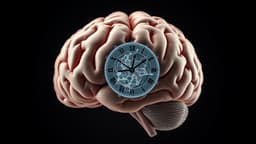
The challenges faced by night owls are closely tied to their circadian rhythms, or internal body clocks. When their natural sleep-wake cycle conflicts with societal schedules, it can be harder to adopt behaviors recommended by health organizations. These include maintaining adequate sleep, regular physical activity, and a balanced diet, as well as controlling blood pressure and weight.
Unhealthy habits such as smoking, insufficient sleep, and poor dietary choices were identified as primary contributors to the poorer cardiovascular health observed in night owls. The misalignment with their internal clock can affect metabolism and limit access to healthy food options, particularly when trying to adapt to early-morning schedules or late-night activities.