Home / Health / NI A&E Crisis: Patients Suffer in Unsafe Corridors
NI A&E Crisis: Patients Suffer in Unsafe Corridors
17 Dec, 2025
Summary
- Nearly half of patients in NI emergency departments waited in non-designated spaces.
- One patient experienced a 124-hour wait for an inpatient bed in an emergency department.
- Delayed discharges due to lack of social care are a major cause of overcrowding.

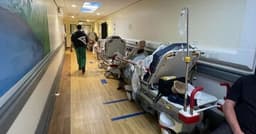
Emergency departments across Northern Ireland are operating under "unsafe" conditions, according to doctors who have reported an "all-time low" in staff morale. A recent survey by the Royal College of Emergency Medicine (RCEM) found that patients are suffering harm due to severe overcrowding. Lead consultants from all nine major emergency departments (EDs) participated in a poll, revealing that 401 patients were waiting for inpatient beds. Alarmingly, 49% of these patients were receiving care in non-designated areas like corridors or even on the floor, enduring these conditions for hours, and in some cases, days.
The cubicle occupancy rate for patients awaiting beds reached 137%, with one individual waiting an staggering 124 hours for a bed. All responding clinicians believe patients are being harmed. A significant contributing factor to the overcrowding is delayed patient discharges, primarily due to a lack of adequate social care arrangements. Staff described the atmosphere as "frankly unsafe," with morale at an "all-time low," leading to staff dreading work as they cannot provide the desired standard of care.
RCEM's vice president for Northern Ireland, Dr. Michael Perry, stated the situation is "awful," highlighting the degradation and demoralization faced by both patients and staff. He expressed grave concern about patient deaths linked to long A&E waits, fearing an increase in the coming year. The Department of Health acknowledged the survey's findings, attributing the pressures to finite capacity and winter demand. They emphasized the need for medium to long-term solutions, including reducing demand, improving patient flow, and strengthening community care, while also noting the challenging financial climate.